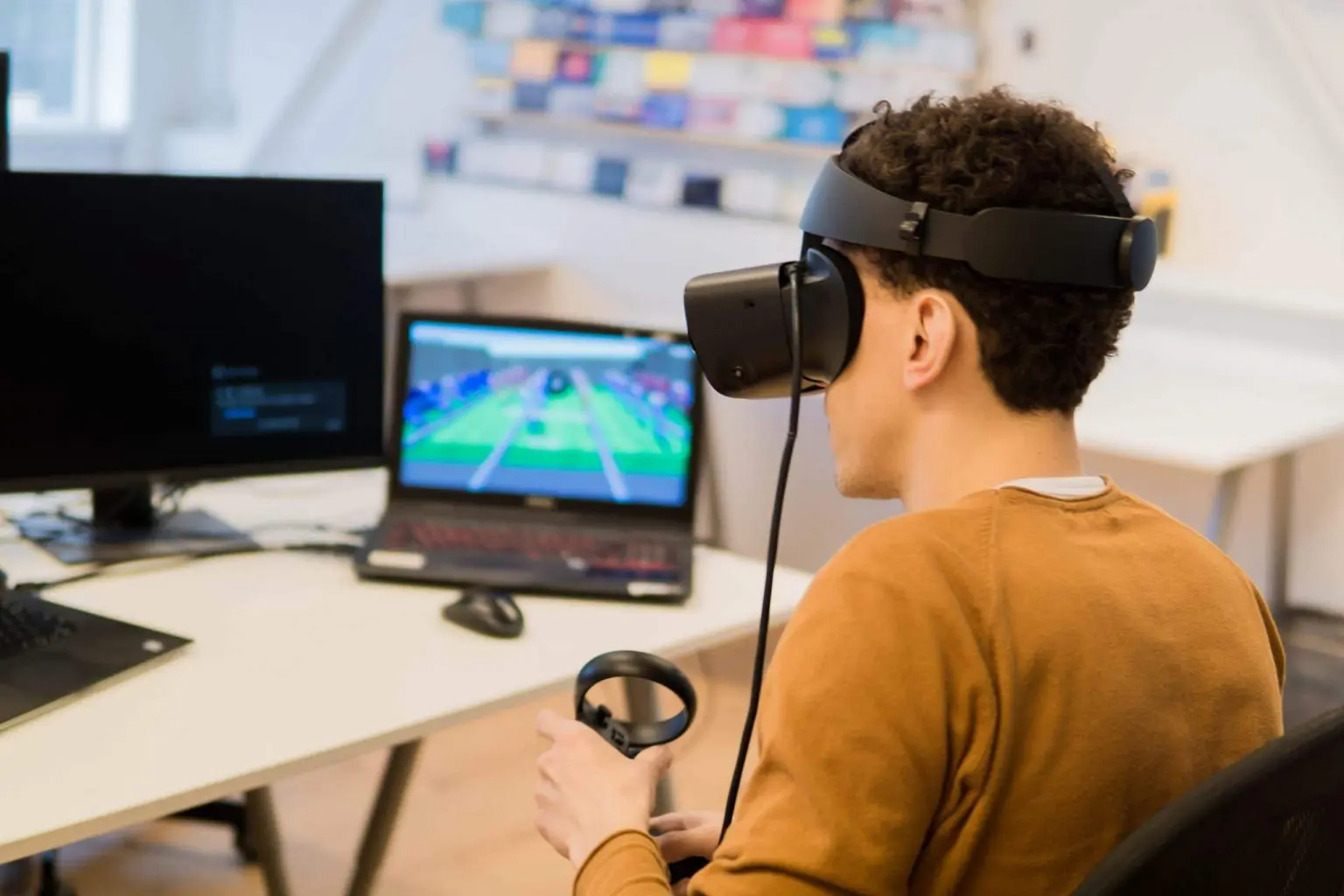
Custom VR Training Development: Process, Cost, and How to Choose a Partner


Custom VR training is a simulation built around your own equipment, procedures, and environment, rather than a generic module you buy off the shelf. This guide explains how it is built, what it costs, and how to pick the right partner.
It is written for the build-versus-buy decision: whether to license ready-made content or commission something bespoke. By the end you will know which fits your needs and what to expect from the project.
What is custom VR training?
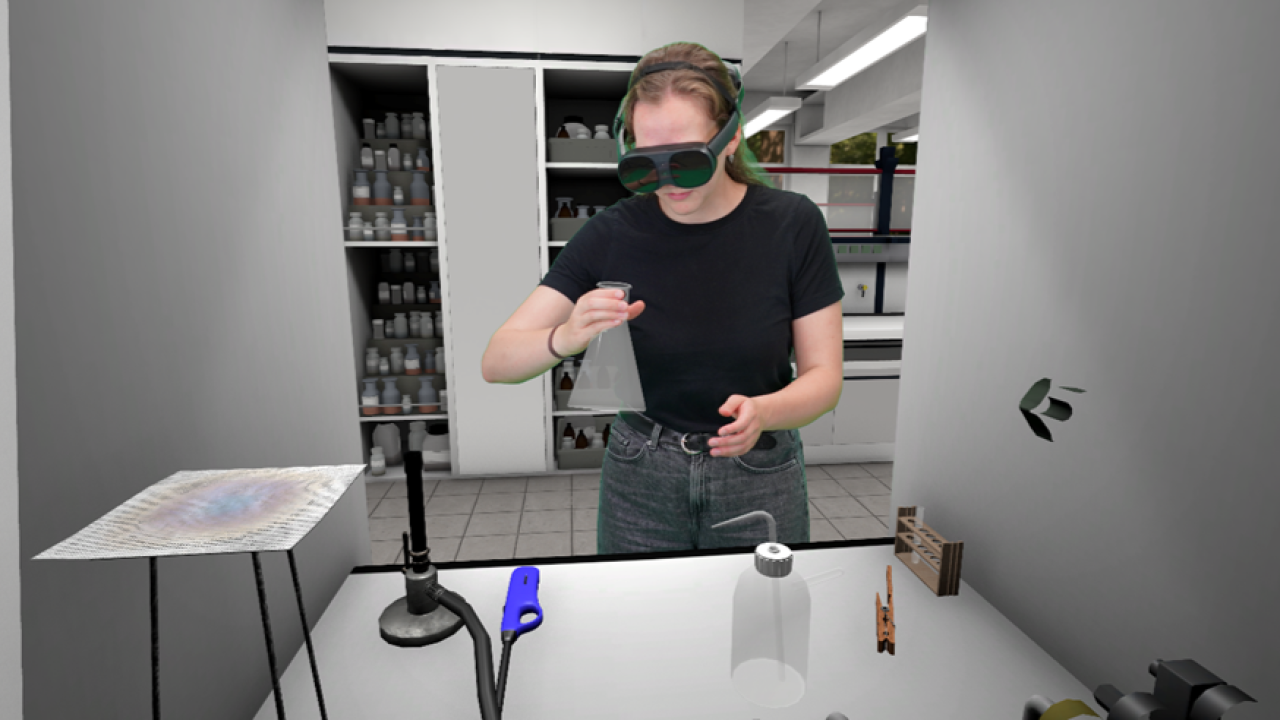
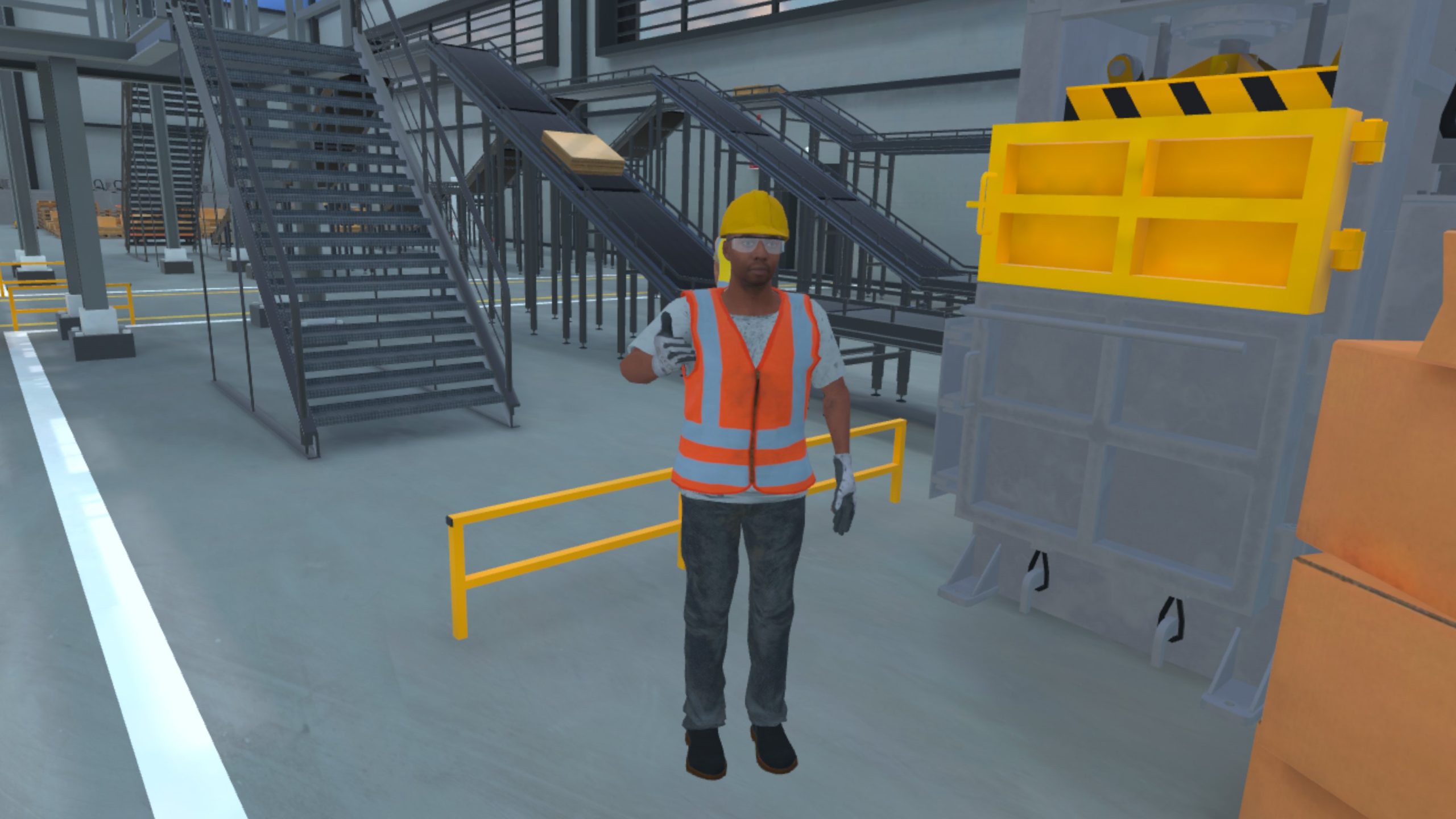
Custom VR training is a simulation designed specifically for your organisation. It recreates your real tasks, machines, and sites, so the practice transfers directly to the job.
Off-the-shelf content teaches general skills quickly and cheaply. Custom content teaches your skills, matching your procedures, hazards, and layout, which matters most for high-risk or proprietary work.

Custom vs off-the-shelf vs semi-custom
Most projects fall into three tiers. The right one depends on budget, timeline, and how specific your training has to be.
| Tier | What it is | Indicative cost | Best when |
|---|---|---|---|
| Off-the-shelf | Ready-made generic modules | Per user, low | Common topics, fast start |
| Semi-custom | A template branded and adapted to you | ~EUR 28,000-75,000 per module | Your look and scenarios, moderate budget |
| Fully custom | Bespoke build around your work | ~EUR 140,000-470,000+ | Proprietary or high-risk tasks |
These figures are indicative market ranges, not quotes. Costs move with complexity, and the right tier is about fit, not just price.
The custom development process
A well-run project follows a clear sequence from learning goals to a supported, deployed simulation.
- Discovery and instructional design: define objectives and analyse the task.
- Storyboarding and scripting: map the scenario, decisions, and scoring.
- 3D asset creation or 360 capture: build the environment and equipment.
- Development: assemble interactions, logic, and feedback in the engine.
- QA and user testing: validate accuracy, comfort, and learning value.
- Deployment: distribute to a headset fleet with device management.
- Train-the-trainer and support: hand over, then iterate on real data.
How long does it take?
Timelines scale with ambition. A semi-custom module can be ready in roughly eight to sixteen weeks.
A fully bespoke build with complex 3D, multiplayer, or integrations typically runs six to eighteen months. Piloting early keeps the timeline honest and de-risks the full rollout.
What custom VR training costs
Pricing depends on the model. As a rough guide from the current market:
- 360 video VR: roughly EUR 7,500-14,000 per finished minute.
- Fully custom module: roughly EUR 140,000-470,000+, depending on scope.
- Enterprise first module, all-in: often EUR 95,000-190,000.
- Annual support: typically 15-25% of the build cost per year.
Treat all of these as indicative ranges. Total cost of ownership over a few years - hardware, content, device management, and support - can far exceed the headline content quote, so scope for the full picture.

What drives the cost
A handful of factors move a project between the tiers above.
- Interactivity depth: a guided walkthrough costs less than free-form, branching decisions.
- Multiplayer: shared, multi-user scenarios add engineering complexity.
- Target hardware: standalone headsets differ from high-fidelity tethered systems.
- 3D complexity: detailed digital twins of real sites take longer to build.
- AI and virtual humans: responsive characters raise both cost and value.
- Integration: connecting to your LMS and analytics adds scope.
LMS integration: SCORM, xAPI, and cmi5
VR generates rich behavioural data, so how it connects to your learning systems matters.
Legacy SCORM tracks basic completion and scores but struggles with offline, on-headset activity. xAPI records granular experiences anywhere and sends them to a Learning Record Store, which suits VR far better.
cmi5 builds on xAPI and adds structured packaging and launch rules. For most VR training, pairing with xAPI or cmi5 gives you the behavioural data that makes the investment measurable.

Data protection and GDPR: a European advantage
VR training captures sensitive behavioural data - movement, gaze, voice, and performance. Under the GDPR, that is personal data, and some of it edges toward special-category territory.
That means a lawful basis, data minimisation, and often a data protection impact assessment. Working with a European studio that offers EU data residency and GDPR-compliant analytics is a genuine advantage over providers who process training data outside the EU.
How to choose a development partner
The partner matters as much as the technology. Weigh candidates on more than 3D artistry.
- Instructional design: do they design for learning outcomes, not just visuals?
- Industry track record: have they delivered in your sector, with references?
- Hardware-agnostic: will they recommend the right headset, not a favourite?
- Integration experience: proven LMS, xAPI, and analytics work.
- Data protection posture: clear GDPR handling and EU data residency.
- Support model: how content is kept current as procedures change.
Why VR Owl
VR Owl is a European custom VR and AR studio founded in 2015, with around 35 specialists across Utrecht, Cologne, and Newark. We build bespoke simulations end to end, from instructional design to a supported, deployed program.
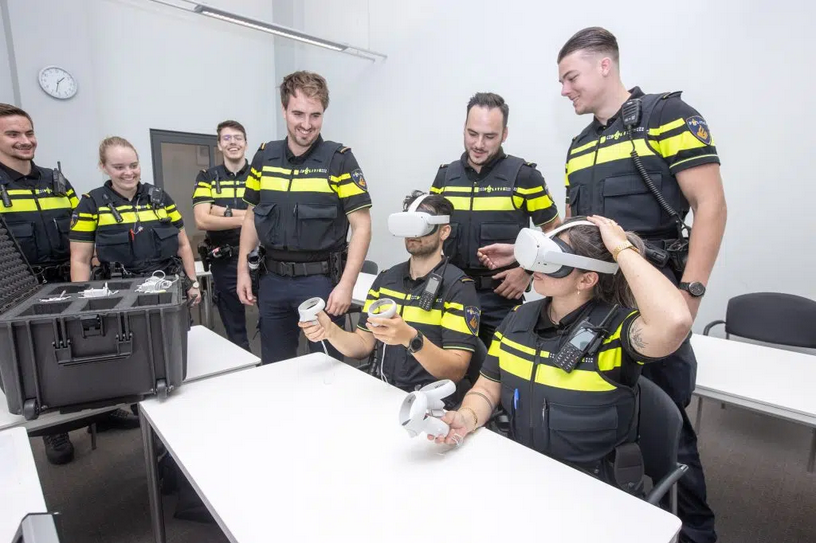
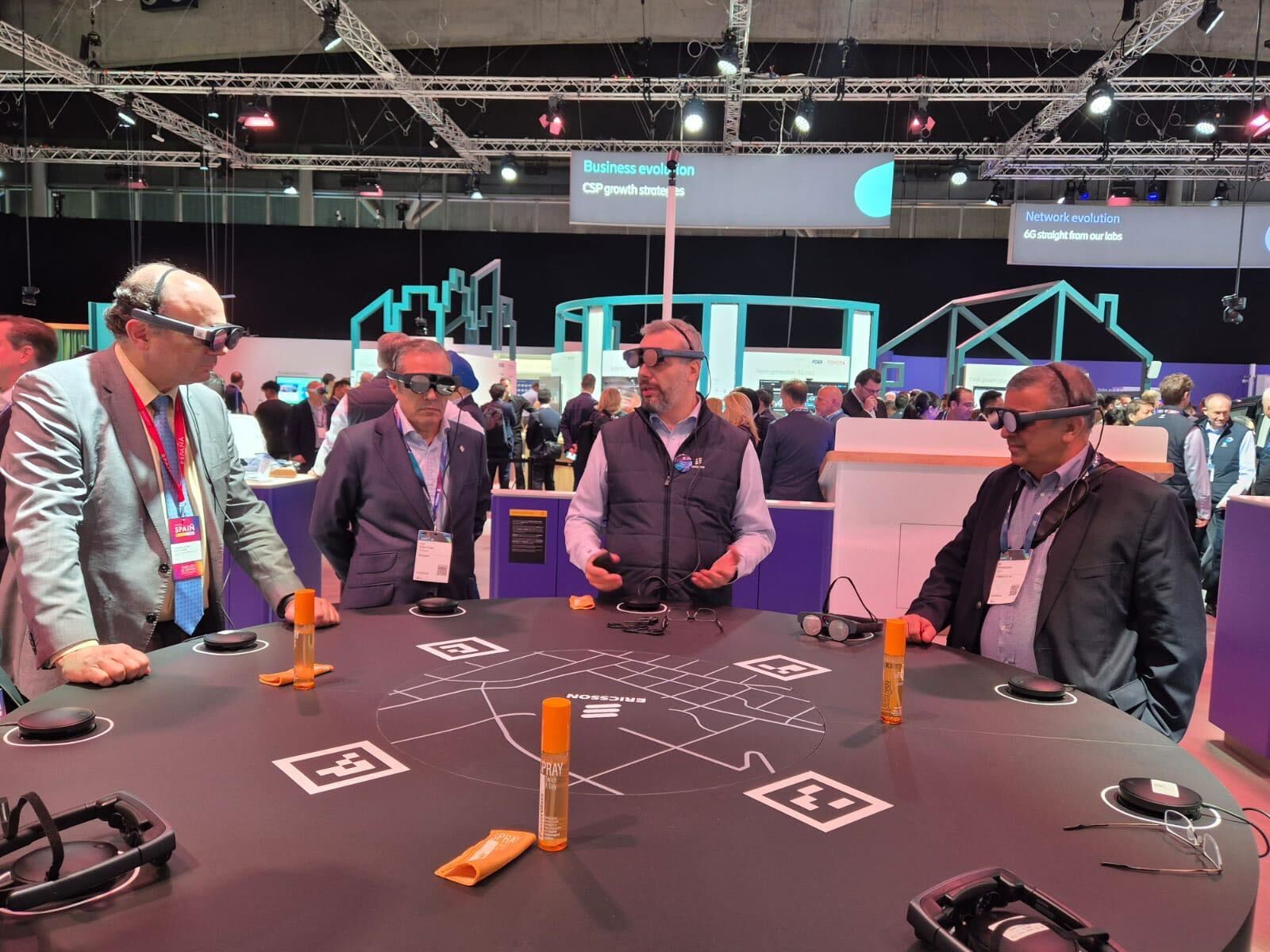
We have delivered projects for organisations including Siemens, Ericsson, Adidas, the Dutch Police, DB Schenker, and Rolls-Royce, across manufacturing, energy, construction, government, and logistics. See examples in our portfolio.
Have a training problem worth solving properly? Book a free scoping call and we'll map out a custom program.
Explore our approach to virtual reality training and simulation, or see how we help teams roll out workforce training at scale.