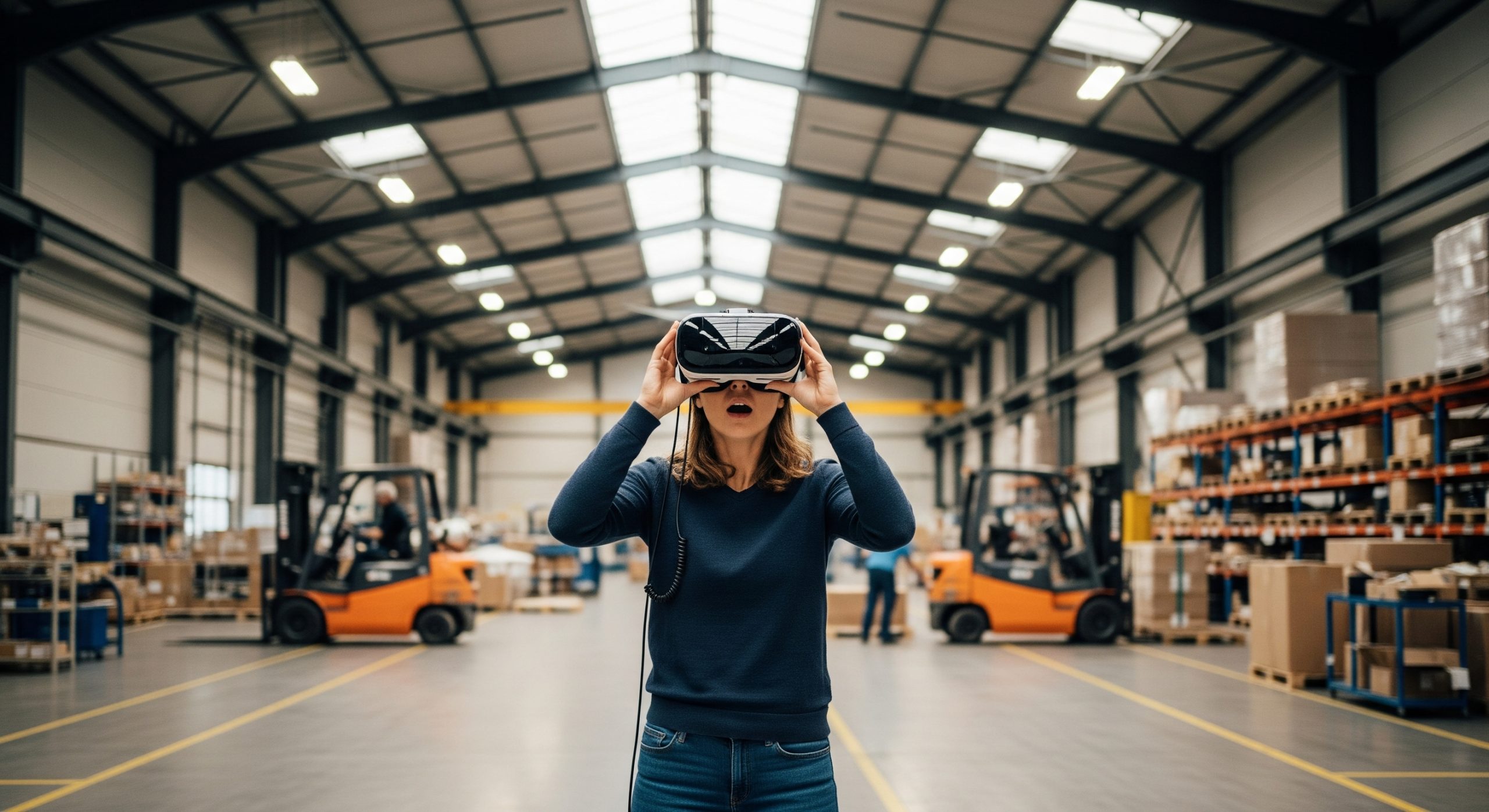
Virtual Reality Employee Training: The Complete Guide for HR & L&D


Virtual reality employee training puts your workforce inside realistic, hands-on simulations instead of slide decks. People learn by doing, in a safe space, and the skills stick.
This guide covers what VR employee training is, why companies adopt it, what you can train, how to roll it out, and how to measure the return. It's written for HR and L&D teams weighing the move.
What is virtual reality employee training?
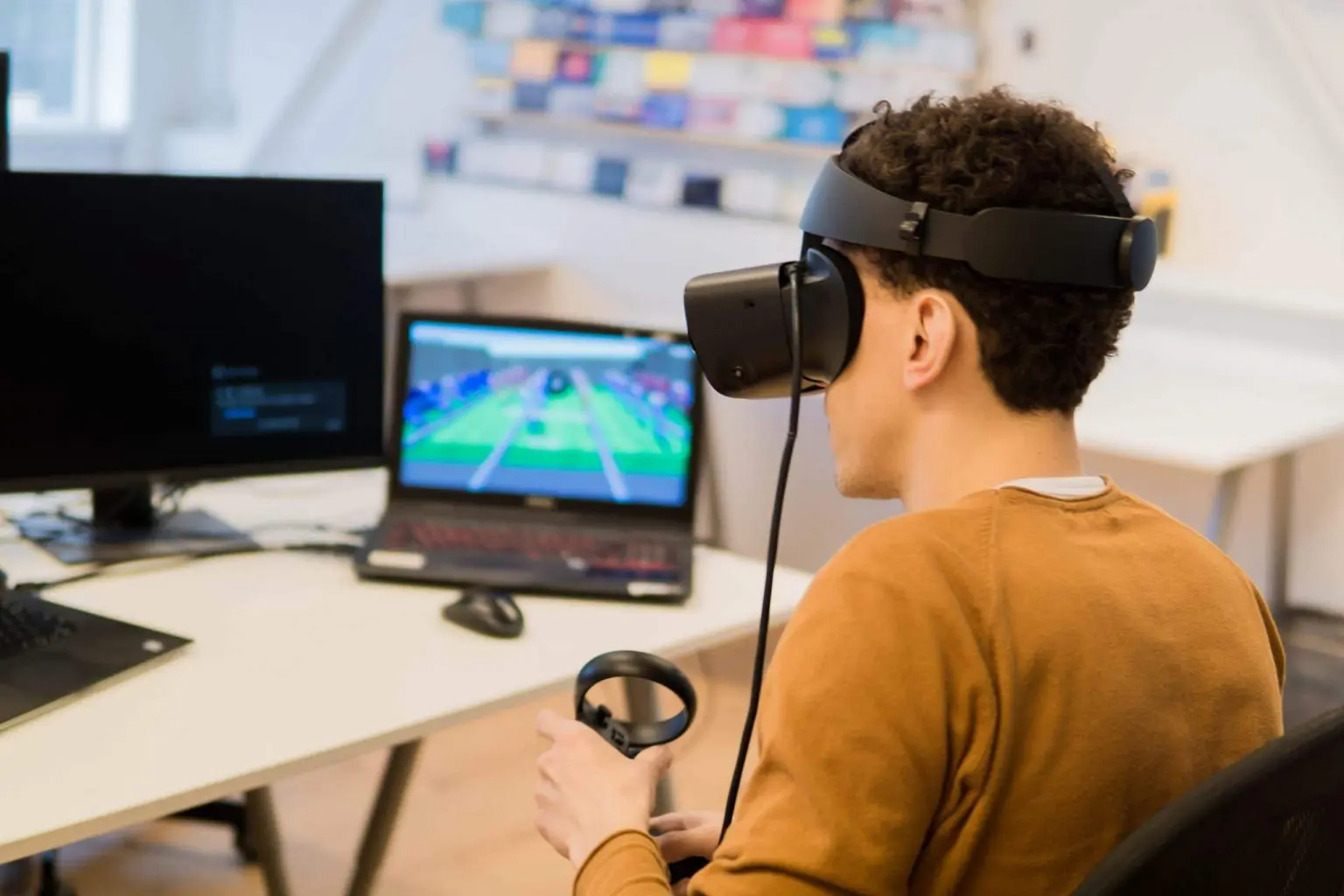
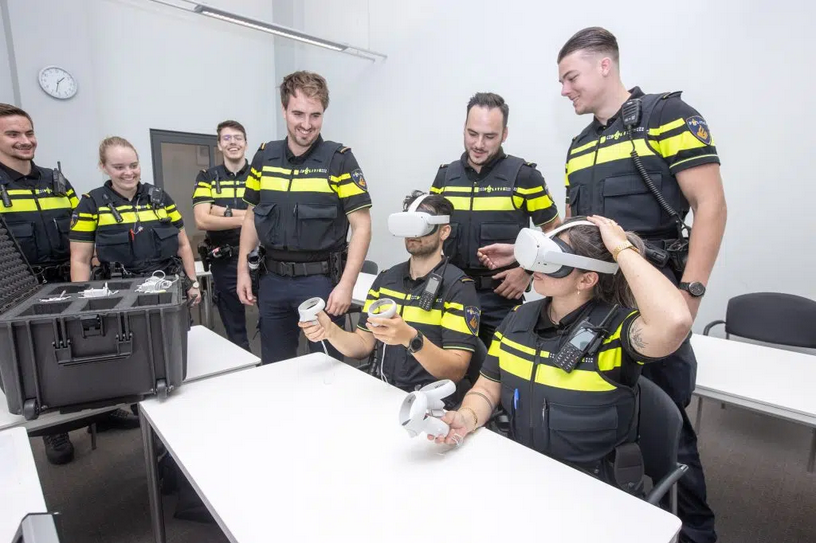
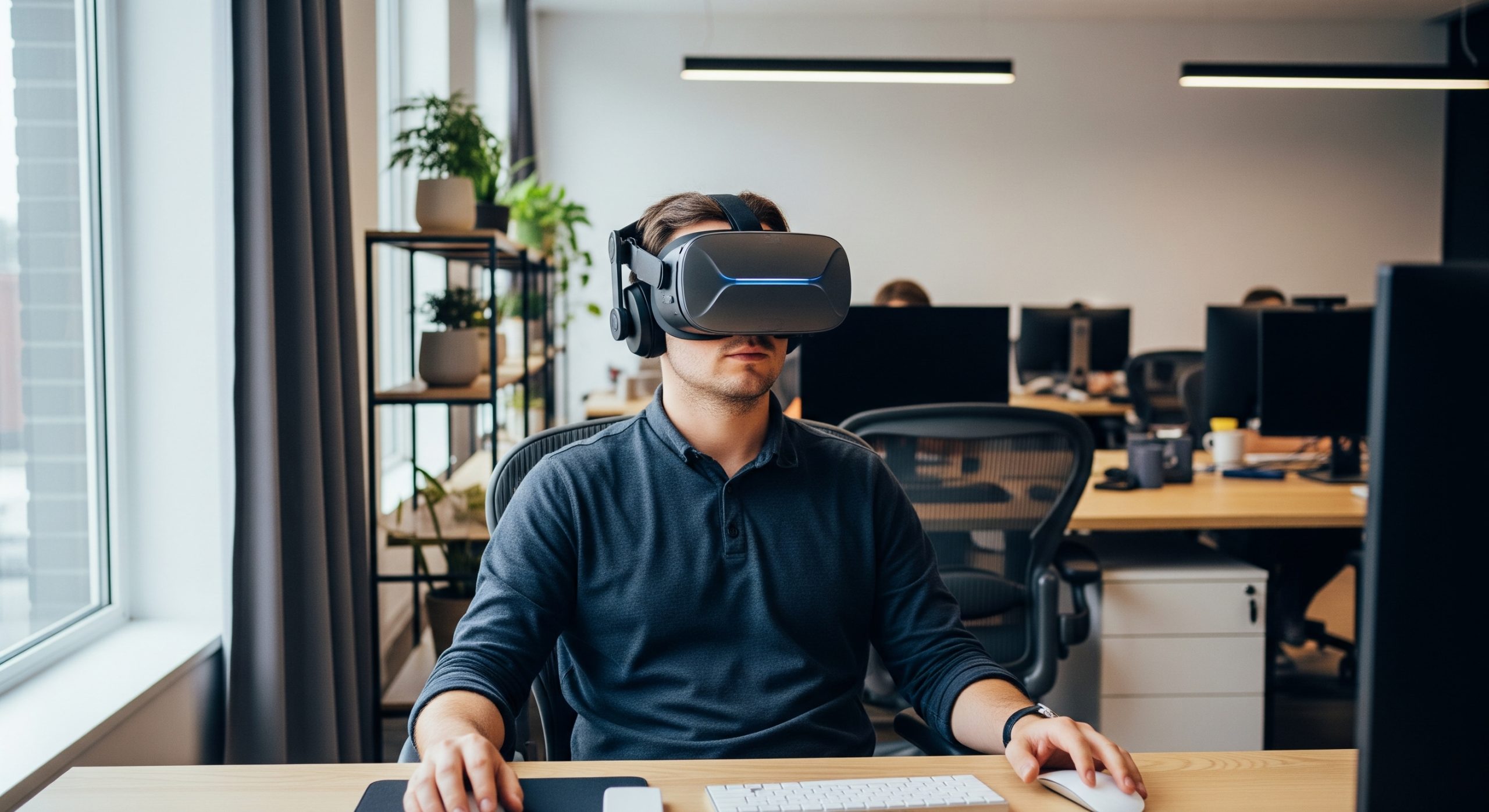
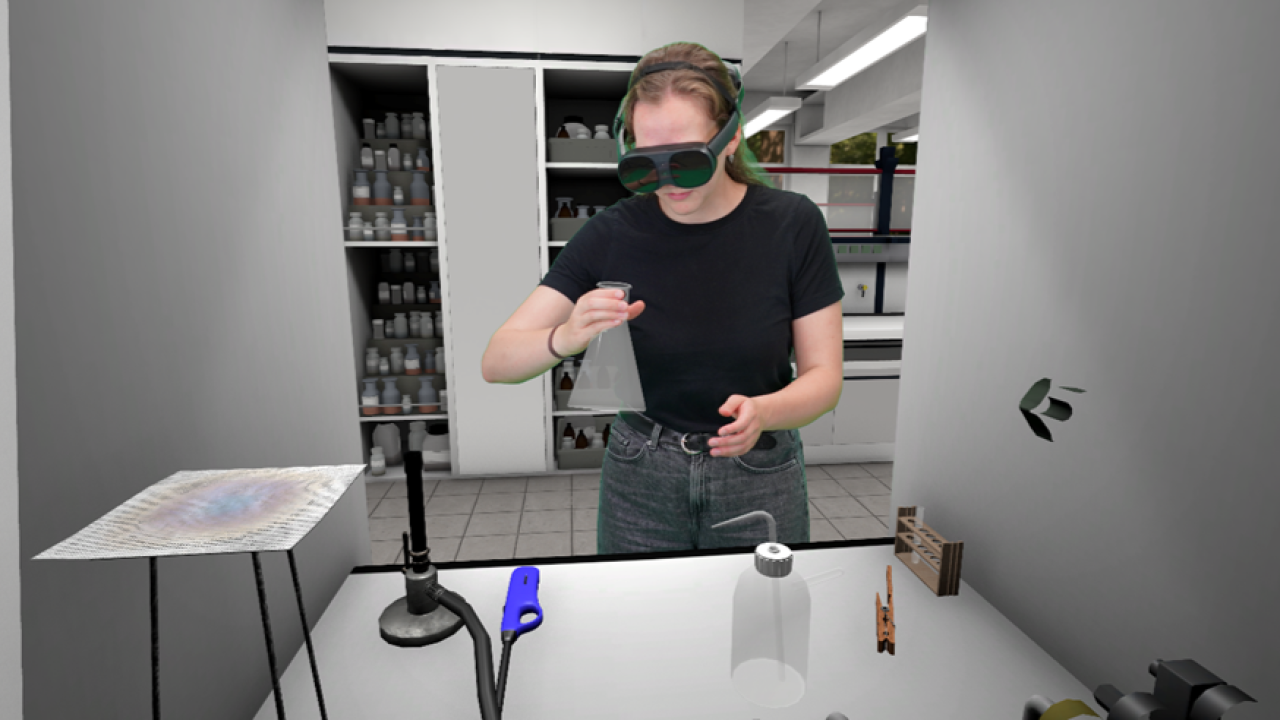
Virtual reality employee training is the use of VR headsets to teach workplace skills through immersive simulation. Employees practice real tasks and decisions in a 3D environment that mirrors their actual job.
It works across the whole workforce, from frontline and enterprise staff to new hires. Because trainees act rather than watch, VR suits onboarding, safety, technical skills, and soft skills alike.

Why companies train employees in VR
The appeal is simple: people remember what they do far better than what they hear. VR turns passive training into active practice, and the numbers back it up.
- Faster learning: PwC research found VR learners completed training up to four times faster than in the classroom.
- Higher retention: doing a task in VR builds memory that a video or lecture rarely matches.
- Risk-free practice: staff rehearse dangerous or high-stakes tasks with zero real-world consequences.
- Consistency at scale: every employee gets the same quality of training, on every shift and site.
- Remote and global delivery: teams anywhere put on a headset and train without travel.
- Performance data: the software tracks decisions and scores, so gaps show up early.
What you can train employees to do in VR
VR fits almost any skill that benefits from practice. Most programs fall into five categories.
- Onboarding: new hires explore their role and worksite before day one.
- Safety and compliance: workers rehearse hazards and emergency procedures without risk.
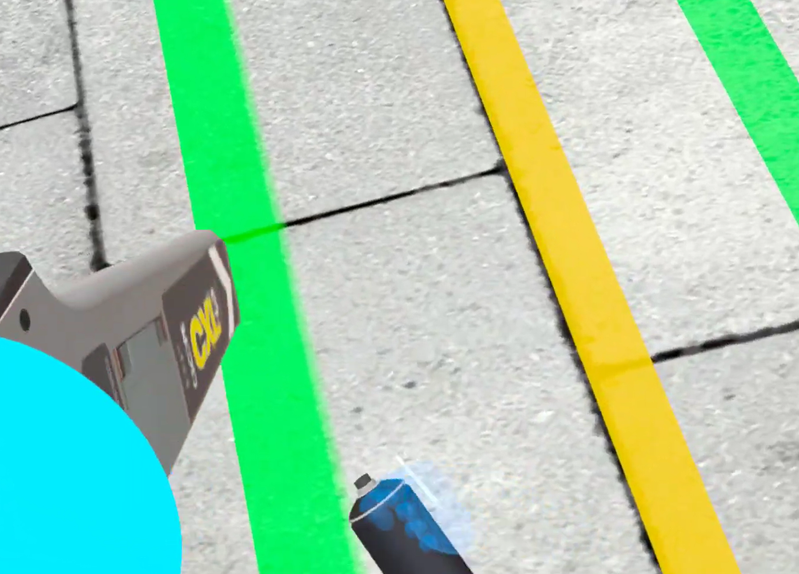
- Technical and equipment skills: staff operate machinery and follow procedures on virtual equipment.
- Soft skills: leadership, customer service, communication, and difficult conversations.
- Emergency response: teams practice high-pressure drills until the right response is automatic.
VR employee training across industries
Adoption is widest where training is risky, costly, or hard to standardise. A few examples show the range:
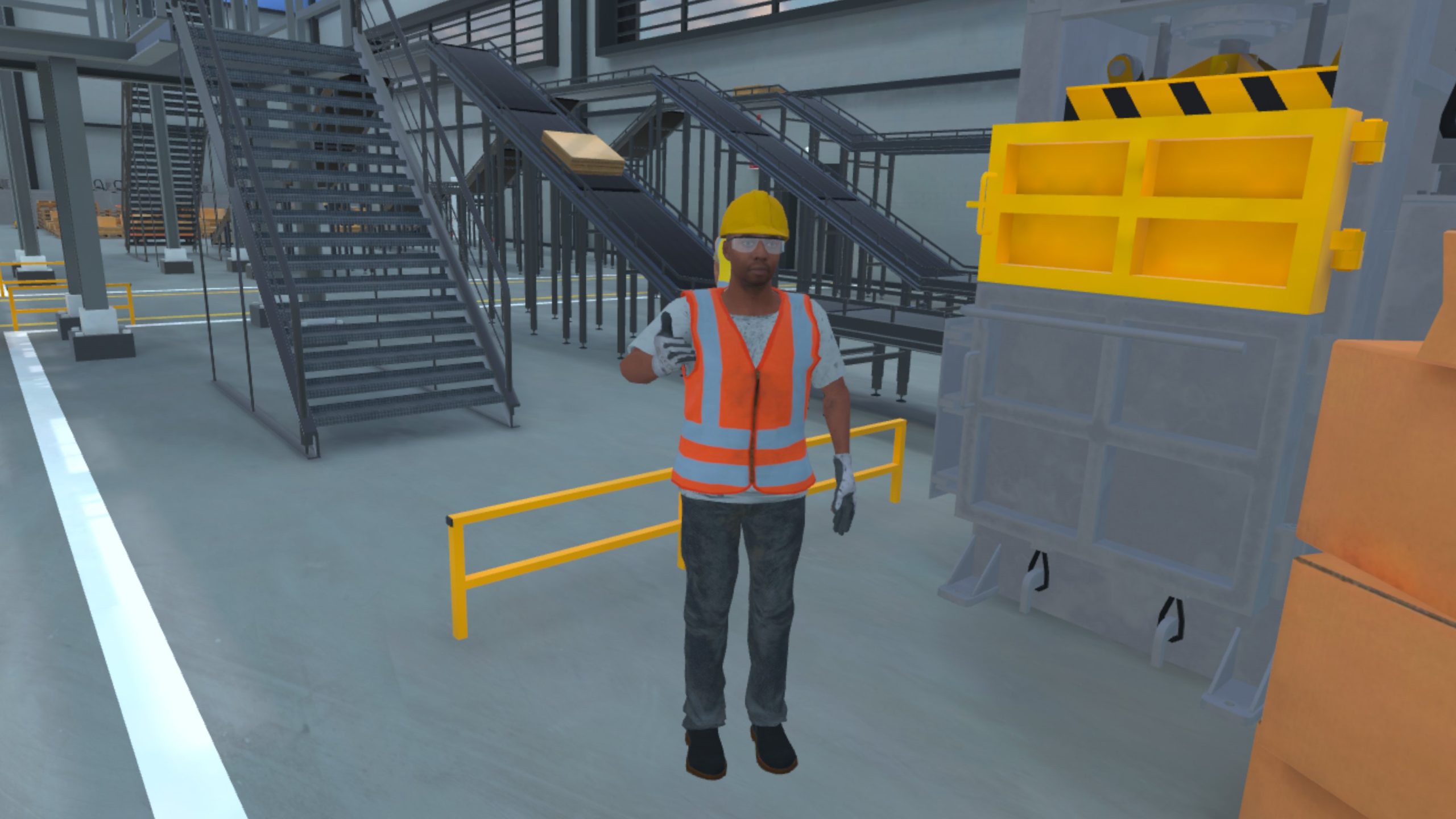
- Manufacturing: machine operation, assembly, and floor safety.
- Logistics and warehousing: forklift operation, picking, and dock safety.
- Healthcare: clinical procedures and patient-interaction practice.
- Retail: customer service and busy-period scenarios.
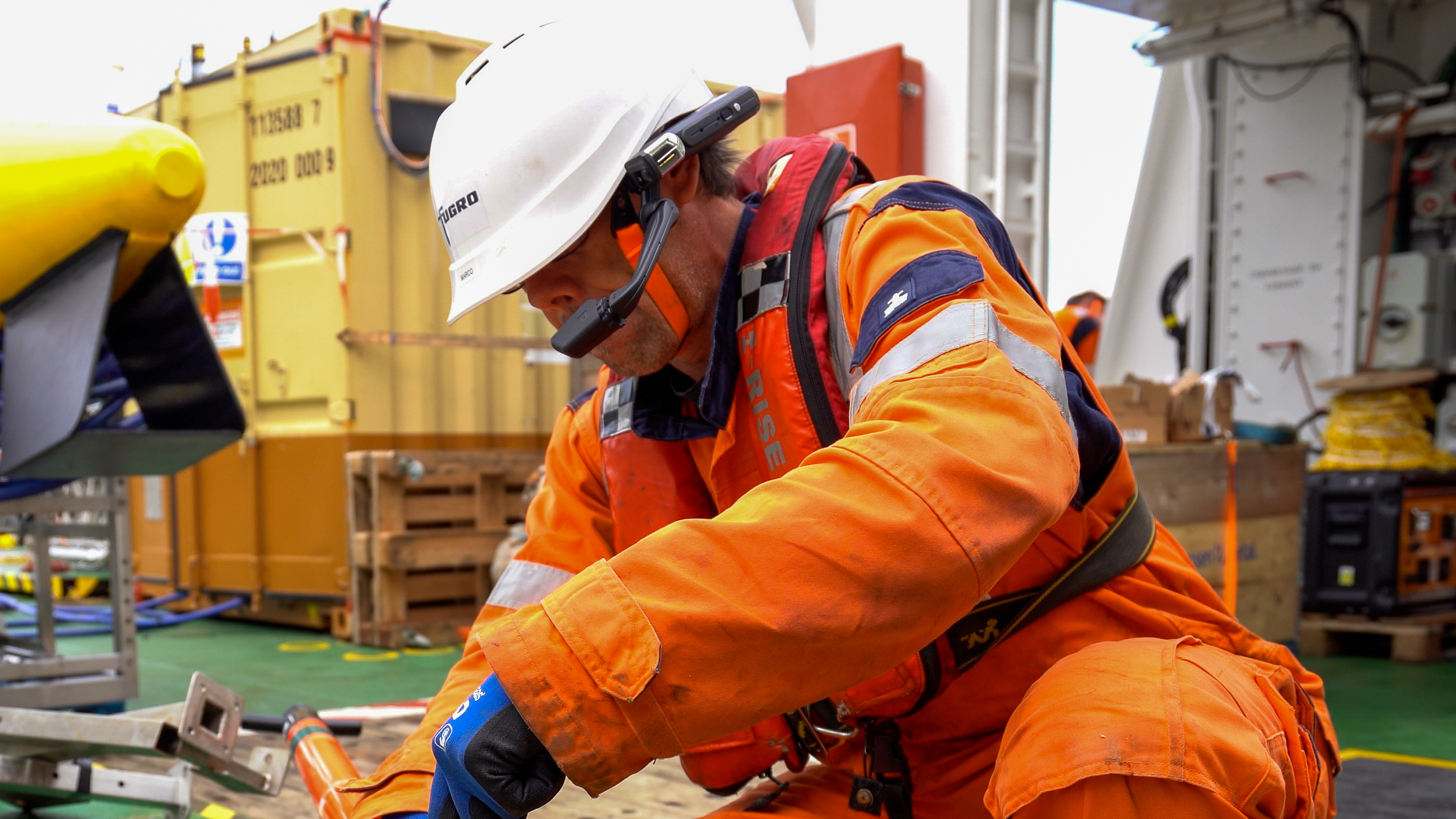
- Energy and construction: high-risk procedures on rigs, sites, and grids.

How to implement a VR employee training program
You don't need to overhaul everything at once. A staged rollout proves value before you scale.
- Identify the use case: pick one skills gap or high-risk task where results are measurable.
- Choose off-the-shelf or custom: decide whether ready-made modules fit, or you need content built around your work, and pick a partner.
- Select hardware and device management: choose headsets and a way to push content and updates to them.
- Pilot and measure: run one group, gather feedback and data, and refine.
- Integrate with your LMS: log completion and scores alongside your other training.
- Scale across the workforce: expand in phases once the pilot meets its goals.
How to measure ROI
To justify and refine the program, track outcomes from the start. The clearest metrics are operational, not just training-related.
- Time to competency: how quickly new hires reach full productivity.
- Knowledge retention: assessment scores compared with traditional training.
- Incident and error reduction: fewer accidents or mistakes in the first months on the job.
- Completion and 90-day retention: engagement during training and whether staff stay.
- Cost per trainee: total program cost divided across everyone trained.
Challenges and how to solve them
VR is powerful, but rollouts hit a few predictable hurdles. Plan for them and they rarely become blockers.
IT and deployment can be tricky with large content files and many devices, so involve IT early and use device management. A small share of people feel motion discomfort, which comfort settings and seated, controller-based scenarios reduce.
Change management matters too. Win over skeptics with data and a champion who has tried it, and keep content fresh so training never becomes a box-ticking exercise. A good VR training partner will help with all three.
Bring VR into your workforce training
Virtual reality gives HR and L&D teams a faster, safer, and more consistent way to build skills across the workforce. Start with one high-value use case, prove it, and scale. For the wider picture, see our guide to VR corporate training.
Ready to train your people in VR? VR Owl builds employee training and onboarding programs that fit your roles and run on a managed platform.
Book a demo to plan your rollout.