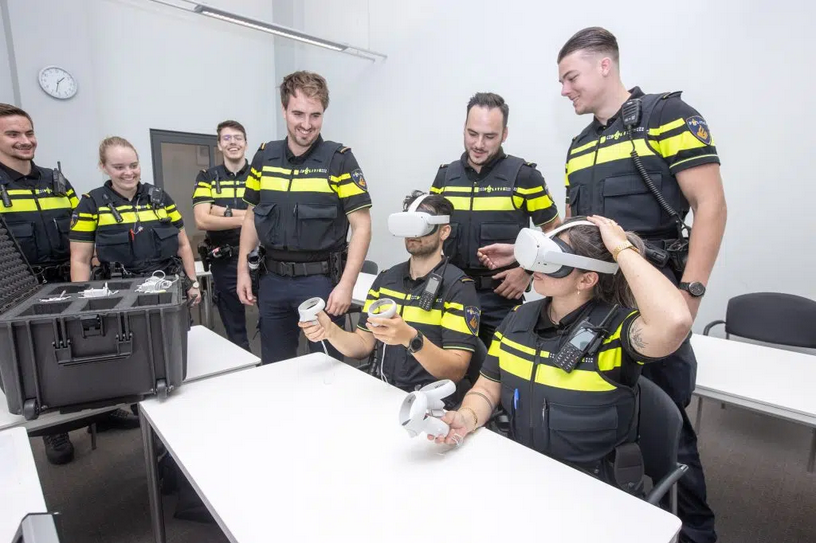
VR EMS Training: Immersive Simulation for First Responders


VR EMS training places paramedics and emergency crews inside realistic prehospital emergencies to practise assessment, decisions, and procedures safely and repeatedly. It complements manikin skills and clinical placement rather than replacing them.
This guide covers what VR EMS training is, why services are adopting it, the clinical scenarios it handles, how it fits European credentialing, and how it compares with high-fidelity manikins.
What is VR EMS training?
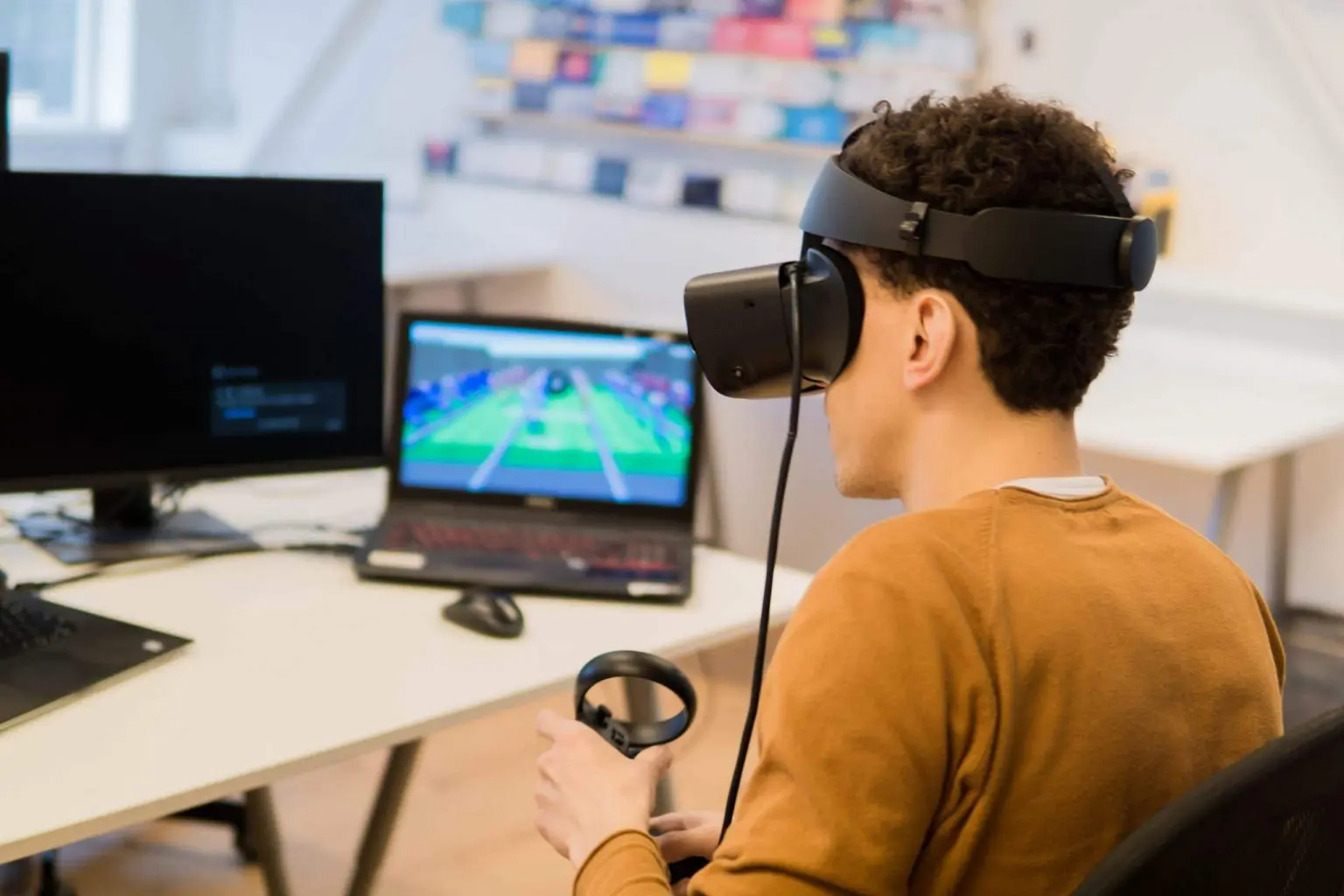
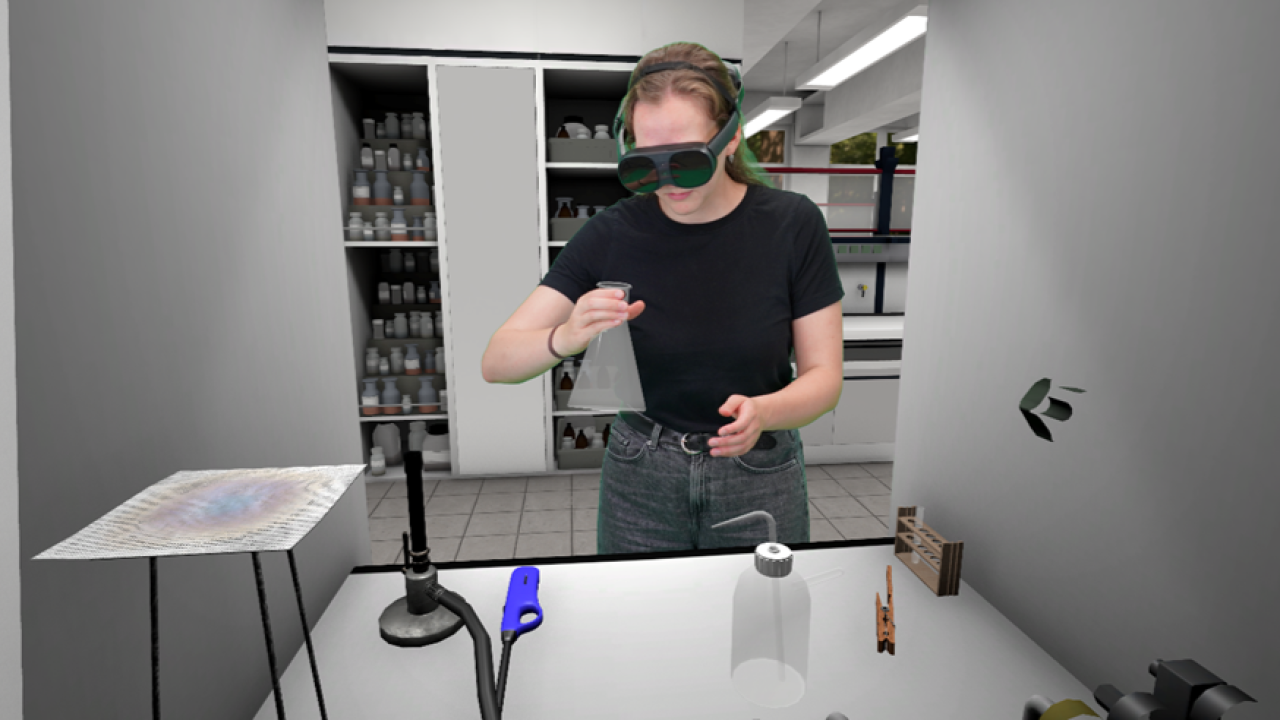
VR EMS training is the use of virtual reality to simulate prehospital emergencies for paramedics, EMTs, and first responders. Crews wear a headset and work through realistic cases, making the same assessments and decisions they face on the job.
Every action is captured, so educators can review clinical reasoning, not just the final outcome. Because scenarios reset instantly, a rare or high-risk case can be repeated as often as needed.

Why EMS training needs a new approach
European ambulance services are under real pressure. Rising call volumes, staffing gaps, and burnout make it hard to give crews enough high-quality practice.
In the UK, the NHS reported roughly 112,800 full-time vacancies in mid-2024, and the College of Paramedics has flagged severe workforce-planning strain. Peer-reviewed studies in Germany link poor working conditions to paramedics leaving soon after qualifying.
Skills also decay between refreshers. VR helps close both gaps: it delivers frequent, low-cost practice and scales without tying up ambulances, trainers, or manikins.
What you can train in VR
VR EMS libraries cover the full range of prehospital care, from routine assessment to time-critical emergencies:
- Prehospital ABCDE assessment and scene safety
- Major trauma and haemorrhage control
- Cardiac arrest, STEMI, and resuscitation
- Stroke recognition and paediatric emergencies
- Anaphylaxis, sepsis, and overdose
- Mental-health and agitated-patient scenarios
- Mass-casualty triage and multi-crew coordination
- Structured handover, using ATMIST or SBAR

VR CPR training and resuscitation
CPR is the clearest case for VR, because the skill fades fast. Studies show resuscitation skills start to decline within three to six months of a course, well before the usual refresher.
That matters because out-of-hospital cardiac arrest is a leading cause of death in Europe. European Resuscitation Council data from the EuReCa registry shows survival to discharge of around 8%, and bystander CPR can double to quadruple the odds of survival.
Frequent, low-dose VR practice keeps recognition and response sharp between formal courses. It does not replace hands-on compression training, but it keeps decision-making current.
How VR fits European credentialing
This is where clarity matters. VR is a training and competency-rehearsal tool, not a shortcut to registration or certification.
In the UK, paramedics register with the HCPC and must maintain continuing professional development. Resuscitation courses are accredited by the European Resuscitation Council and national councils.
VR can support CPD portfolios and simulation-based education, and it prepares crews for formal assessment. It does not confer registration or replace supervised clinical practice and hands-on skills sign-off.

VR versus high-fidelity manikins
VR and manikins solve different problems, and the best programs use both. Manikins excel at physical procedures and haptics; VR excels at scenario breadth, decision-making, and cost per case.
| Factor | High-fidelity manikins | VR simulation |
|---|---|---|
| Best at | Hands-on procedures and physical realism | Decision-making, scene realism, scenario breadth |
| Setup | Rooms, props, and staff to run | Ready in minutes on a headset |
| Scenario variety | Limited by props and space | Large libraries, reset instantly |
| Team training | Possible but resource-heavy | Multiplayer crews, on demand |
| Indicative cost | ~EUR 45,000-100,000+ per manikin | Headset plus content; lower per scenario at scale |
Manikin prices above are indicative market figures and vary by model and supplier. The practical takeaway is that VR adds reach and repetition on top of manikin work, not instead of it.
What VR EMS training costs
Off-the-shelf scenario libraries run on a per-headset or per-user subscription, which suits a fast start. Bespoke scenarios built around your protocols and vehicles are a larger, project-based investment.
Treat any figure as an indicative range until scoped. Hardware is a modest, one-off cost that keeps falling, so most of the budget sits in content and support.
Want to give your crews more high-quality reps? Book a VR Owl consultation for an EMS or first-responder program.
See how we build immersive simulation for public services, and read our related guide to VR firefighter training.