VR Engineering: Transform How Your Team Designs, Builds, and Trains


VR engineering uses immersive virtual reality technology to change how engineering teams design, review, and test products and processes. Rather than working from flat 2D screens or building costly physical prototypes, engineers step inside full-scale 3D models. They run virtual experiments, spot design flaws that would go unnoticed on a monitor, and collaborate with colleagues in shared virtual environments. The result: lower costs, fewer errors, and faster project timelines.
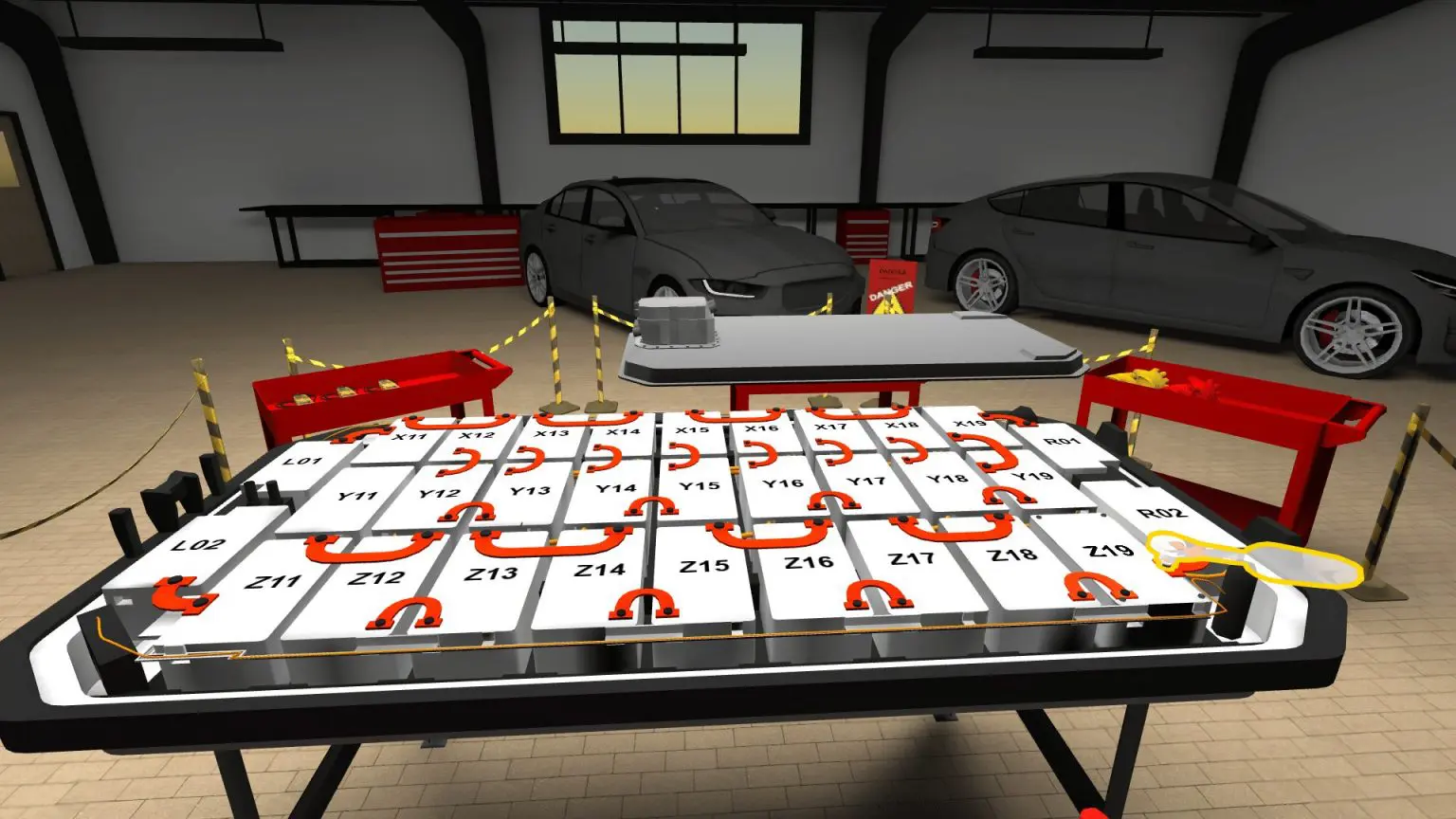
At VR Owl, we build VR solutions that help engineering teams across industries work faster and smarter. From interactive design reviews and virtual prototyping to immersive technical training, our applications are designed around real engineering workflows. Not generic demos - practical tools that solve actual problems on the shop floor and in the design studio.
Cut prototyping costs and design cycles with VR
VR in engineering reduces costs, shortens design cycles, and improves how teams learn and collaborate. By replacing physical prototypes with virtual models, companies save time and materials. Engineers get instant feedback on design changes, train in risk-free environments, and work together across locations - all inside a headset.
The most direct impact hits prototyping budgets. Every physical prototype revision means new materials, new production runs, and new delays. With VR, engineers test and refine designs digitally before committing to a physical build. Instead of three rounds of physical prototypes, a team might need just one - after working through the earlier versions in VR.
Design iterations speed up in parallel. In a virtual environment, changes happen in real time. An engineer can adjust a component, check how it interacts with surrounding parts, and share the updated model with the team within minutes. No waiting weeks for a new physical prototype to arrive. This keeps projects on schedule and frees up engineering hours for higher-value work.
Collaboration gets a different dimension too. Instead of exchanging files and screenshots, team members step into the same virtual space regardless of where they sit. Stakeholders who don't use CAD software daily can still walk through a full-scale 3D model and provide meaningful input. Better feedback earlier in the process means fewer expensive changes down the line.

Training is where the benefits become especially measurable. Research from PwC shows that VR learners complete training up to four times faster than classroom learners. For engineering teams, that translates to technicians reaching competency sooner and making fewer mistakes on the job. Explore the benefits of training with virtual reality.
VR strengthens safety practices too. Engineers and technicians in high-risk environments - oil rigs, power plants, chemical facilities - can rehearse emergency procedures and equipment handling without real-world consequences. They build muscle memory for critical tasks before ever stepping onto a live site.
Run design reviews inside full-scale 3D models
Engineering teams use VR to walk through full-scale 3D models of products, machinery, and infrastructure before anything gets built. Instead of reviewing designs on a flat screen, engineers step inside the model. They check clearances between components, assess ergonomics, and catch spatial issues that 2D drawings simply cannot reveal.
This makes VR especially valuable for design review sessions that involve multiple disciplines. A mechanical engineer, an electrical engineer, and a project manager can stand inside the same virtual model and discuss layout decisions in context. No more guessing how a pipe run will affect access to a panel, they can see it and walk around it.

The technology integrates with existing CAD workflows. Models from tools like SolidWorks, CATIA, or Autodesk Revit can be imported into VR environments for interactive review. Engineers refine product designs in real time, annotate problem areas, and save session recordings for documentation.
Industries like automotive, aerospace, and heavy manufacturing use VR design review daily. Car manufacturers visualize new interiors at full scale before tooling begins. Aerospace companies inspect turbine assemblies in VR to verify fit and access. The common thread: catching problems in the virtual stage costs a fraction of fixing them in production.
VR Owl builds simulation solutions that connect directly to your engineering data - so your team reviews actual project models, not simplified previews.
Virtual Prototyping and Digital Twins
Virtual prototyping lets engineering teams build, test, and iterate on designs without spending money on physical materials. An engineer can assemble a product virtually, run stress tests, simulate thermal behavior, and evaluate user interaction all before a single part is manufactured.
This approach compresses development timelines. Where a physical prototype cycle might take weeks from design to delivery, a virtual prototype can be tested and revised in a day. Teams identify issues early - weak joints, interference between parts, poor ergonomics - and resolve them while changes are still cheap.
Digital twins take this a step further. A digital twin is a persistent virtual replica of a real-world asset: a machine, a production line, or an entire facility. Engineering teams use digital twins to monitor performance, test modifications, and predict maintenance needs without touching the physical asset. If you want to know what happens when you increase line speed by 15%, you test it on the twin first.

The overlap between virtual prototyping and digital twins is where VR becomes a daily engineering tool. Prototyping covers the pre-production phase. Digital twins extend into operations and maintenance. Together, they give engineering teams visibility across the full product lifecycle - from first concept to years of field use.
VR Owl's engineering applications support both workflows, helping teams move from virtual prototype to operational twin within a single platform.
Collaborate across sites in one shared VR space
Engineering projects rarely happen in one location. Design teams sit in one office, manufacturing in another, and clients may be in a different country entirely. VR makes it possible for everyone to meet in a shared virtual space, review the same 3D model, and make decisions together - in real time.
A design review that used to require flying a team across the country now takes a headset and an internet connection. Engineers put on their device, join the session, and interact with the model as if they were standing next to each other. They point at specific components, annotate problems, and walk through assembly sequences side by side.

This changes the rhythm of engineering projects. Decisions that used to wait for the next site visit happen the same day. Clients and stakeholders stay involved throughout the process instead of only seeing updates at milestone presentations.
VR Owl's collaborative tools work across multiple headset types - Meta Quest, HTC Vive, and Varjo - so your team can join sessions regardless of which devices they use. No proprietary hardware lock-in.
Train engineers on high-risk tasks without the consequences
Training is one of VR's strongest applications in engineering - and it's where VR Owl has the deepest track record. Engineers and technicians can practice complex procedures in a virtual environment where mistakes carry no real-world consequences. They learn faster, retain more, and build confidence before working on actual equipment.

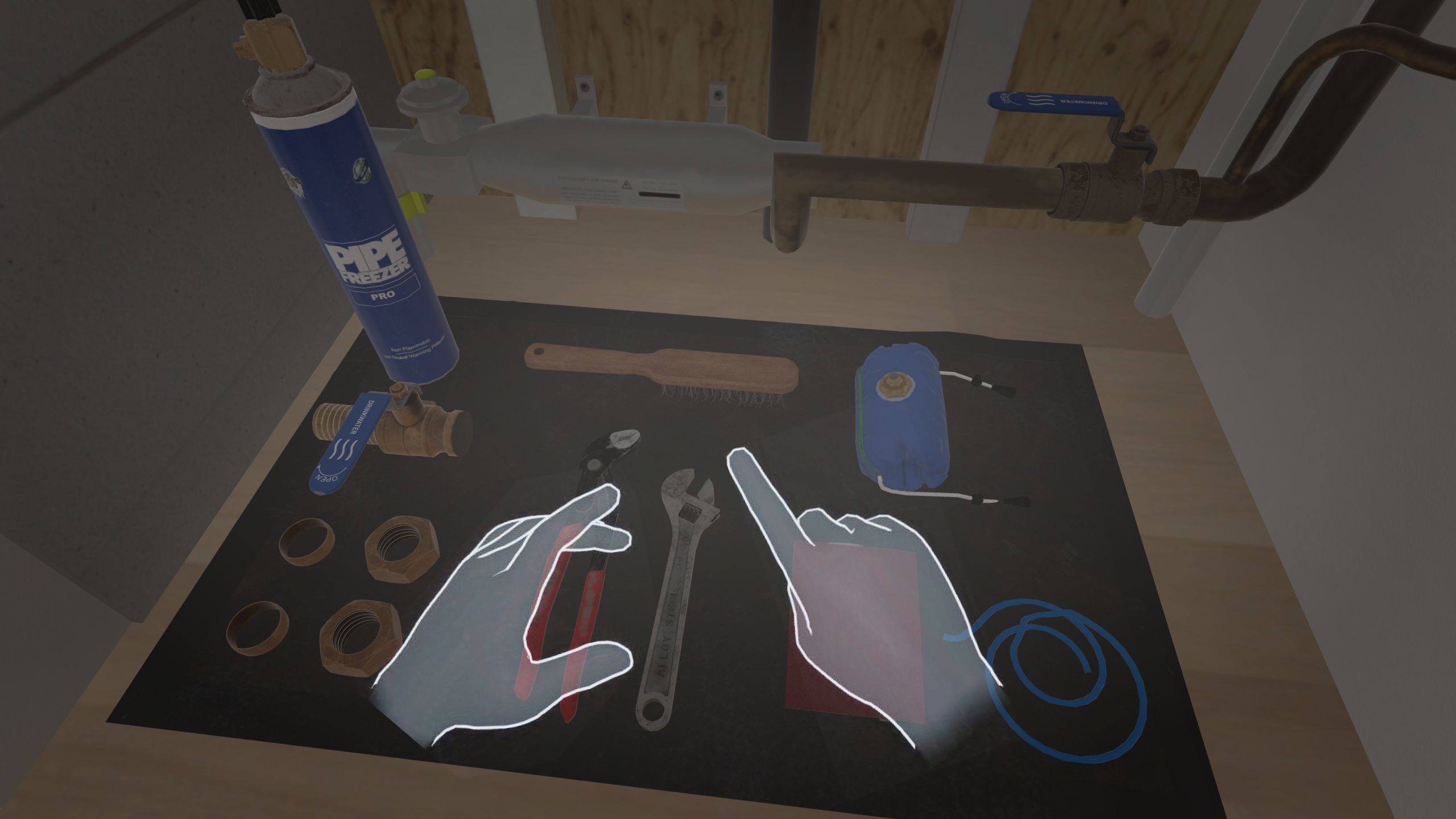
The range of engineering training use cases is broad. Maintenance technicians walk through step-by-step repair procedures on virtual equipment. Assembly workers practice build sequences in VR before touching real components. Safety teams rehearse emergency response protocols in realistic but risk-free scenarios.
What makes VR training measurable is the data it generates. Every action a trainee takes is logged: time to completion, error rate, number of attempts. This gives training managers clear metrics instead of relying on classroom test scores alone.
VR Owl has built VR training solutions for aviation engineers at Rolls-Royce, showing how immersive training for complex technical roles translates directly to better on-the-job performance. That project proved how VR lets engineers practice tasks that are too expensive, too dangerous, or too rare to train on with real equipment. Read the full Rolls-Royce aviation engineers VR training case.
Looking for more inspiration? See these examples of how companies use VR for training across different industries and roles.
How VR fits each engineering discipline
VR engineering is not one-size-fits-all. What you simulate, and why, depends on the discipline. Here is how it plays out across the four most common engineering fields.
Mechanical engineering
Mechanical teams use VR to test how machines and assemblies behave before they exist. Engineers verify component fit, check serviceability and tool access, and run virtual assembly sequences - catching interference and ergonomic problems while they are still cheap to fix.
Civil and structural engineering
Civil teams walk through buildings, bridges, and infrastructure at full scale before ground is broken. They confirm spatial layouts and clearances, coordinate across trades, and review how a structure will be built and maintained - reducing costly rework on site.
Electrical engineering
Electrical engineers use VR to review panel layouts, cable routing, and maintenance access in context. Standing inside the model makes it obvious when a junction box is unreachable or a cable run blocks a service hatch - issues that flat schematics tend to hide.
Architectural and AEC engineering
Architecture, engineering, and construction teams bring BIM models into VR for immersive walkthroughs and clash detection. Clients who do not read drawings ca
VR Engineering Applications by Industry
VR engineering is not a one-size-fits-all solution. How teams use it depends on their industry, their workflows, and the problems they need to solve. Here is how VR is applied across four key engineering sectors.
Manufacturing
In manufacturing, VR lets engineers walk through virtual production lines before a single machine is installed. Teams test factory layouts, identify bottlenecks, and optimize workflows without disrupting live operations. Assembly training in VR reduces onboarding time for new operators and cuts error rates on the production floor. Learn more about VR in the manufacturing industry.

Automotive
Automotive engineering teams use VR throughout the vehicle development process. Designers review full-scale car interiors and exteriors in VR, evaluate material choices, and make styling decisions faster. Engineering teams test component fit, check serviceability, and run virtual crash simulations. Companies like KIA already use VR headsets to visualize photo-realistic models during the design phase, cutting weeks off development cycles. Explore how virtual reality for the automotive industry is changing vehicle development.

Aerospace
Aerospace engineering demands precision, and VR helps deliver it. Engineers inspect complex assemblies - turbine blades, fuselage sections, wiring harnesses - in virtual environments where they can zoom in on details invisible in 2D drawings. VR is also used for pilot and maintenance crew training, where the cost and risk of training on actual aircraft are extremely high.
Energy and Oil & Gas
VR plays a growing role in energy and oil & gas engineering. Teams use virtual replicas of refineries, pipelines, and offshore platforms for safety training and maintenance planning. Engineers rehearse high-risk procedures - shutdowns, valve operations, emergency responses - in VR before executing them on site. Especially valuable for offshore installations where access is limited and mistakes are costly.
How to get started with VR engineering
Bringing VR into an engineering workflow does not mean overhauling everything at once. A focused, four-step approach lets you prove value before you scale.
1. Start with one high-value use case
Pick a single problem where success is measurable - a recurring design-review bottleneck, a costly prototype cycle, or a high-risk training task. Solving one clear problem well builds the internal case for everything that follows.
2. Reuse the CAD and BIM models you already have
Your engineering team almost certainly has 3D CAD or BIM files already. Most VR workflows import them directly, so you can turn existing SolidWorks, CATIA, or Revit models into interactive reviews without rebuilding anything from scratch.
3. Pick hardware that matches the work
Standalone headsets like Meta Quest suit collaborative reviews and training, while higher-fidelity devices like Varjo fit detailed visual inspection. Choose for the task and the level of visual precision you actually need, not for the spec sheet.
4. Integrate with your workflow and measure results
Connect VR to your existing review cadence and training records, then track the numbers that matter: prototype rounds saved, review cycle time, error rates, and time to competency. Use that data to refine and expand.
Ready to Bring VR into Your Engineering Workflow?
VR Owl has helped engineering teams across manufacturing, aerospace, automotive, and energy transform how they design, test, and train. With a team of 35 VR specialists and experience across dozens of engineering projects, we build solutions that fit your workflow - not the other way around.
Whether you want to set up virtual design reviews, build a VR prototyping pipeline, or launch an immersive training program for your engineers, we can help you get started.
Book a free demo and see what VR engineering looks like for your team.