VR Training Oil and Gas


The oil and gas industry has the highest workplace fatality rate of any sector, seven times the national average according to the National Safety Council. Traditional classroom sessions and e-learning modules cover theory but cannot replicate the high-pressure, high-risk conditions your teams face daily.
VR training changes that. VR Owl builds immersive training environments that put workers inside realistic oil and gas scenarios, from confined space entry to emergency shutdowns, without any real-world risk. Your teams practice critical procedures, build muscle memory, and make decisions under pressure in a controlled virtual environment.
Companies using VR-based safety training report up to 45% fewer workplace incidents and 40% faster training completion. Our modules are built for the oil and gas industry specifically, covering the scenarios your crews encounter on platforms, in refineries, and along pipelines.
Whether you operate offshore rigs, onshore facilities, or midstream infrastructure, VR Owl's virtual reality training modules scale across sites and integrate with your existing systems.
Why Oil and Gas Needs a New Approach to Training
Oil and gas workers operate in environments where a single mistake can trigger explosions, toxic exposure, or equipment failure. Drilling platforms sit miles offshore. Refineries process volatile chemicals at extreme temperatures. Pipeline corridors run through remote terrain where emergency response times stretch into hours.
The Bureau of Labor Statistics consistently ranks oil and gas extraction among the deadliest occupations in the United States. Unplanned downtime alone costs the industry an estimated $50 billion per year. Much of that traces back to human error during routine operations and emergency situations.
Classroom training and video-based courses teach workers what to do. They do not teach workers how it feels to do it. Reading about a gas leak response protocol is fundamentally different from executing that protocol while alarms sound and visibility drops. That gap between knowing and doing is where incidents happen.
On-the-job training addresses the gap partially, but it comes with its own problems. You cannot safely simulate a blowout on a live rig. You cannot expose trainees to hydrogen sulfide to teach them proper evacuation. And flying crews to centralized training facilities adds weeks of scheduling, travel costs, and lost production time.
The oil and gas industry needs training that replicates real operational risks without creating them. That is exactly what VR delivers.

How VR Training Works in Oil and Gas
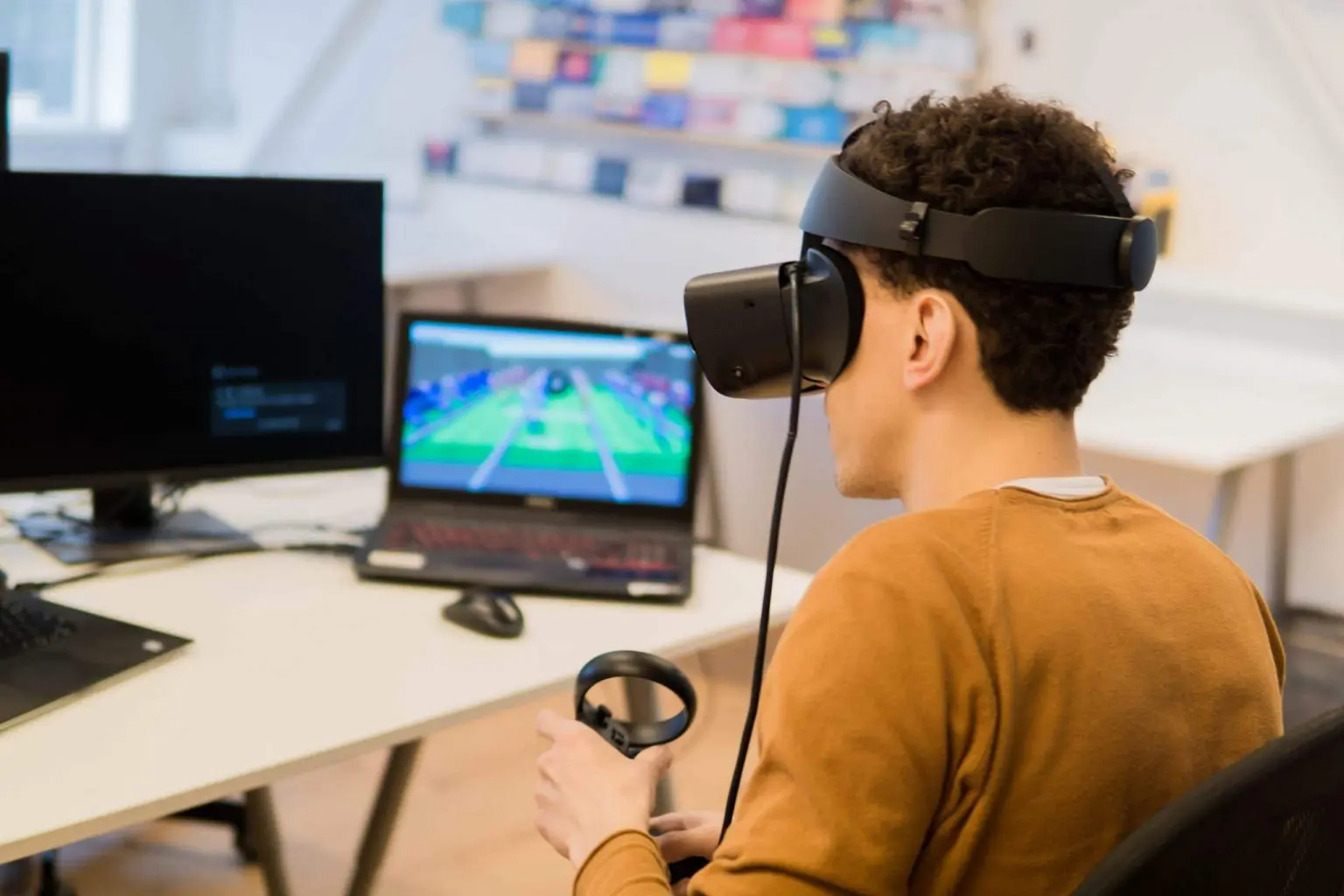
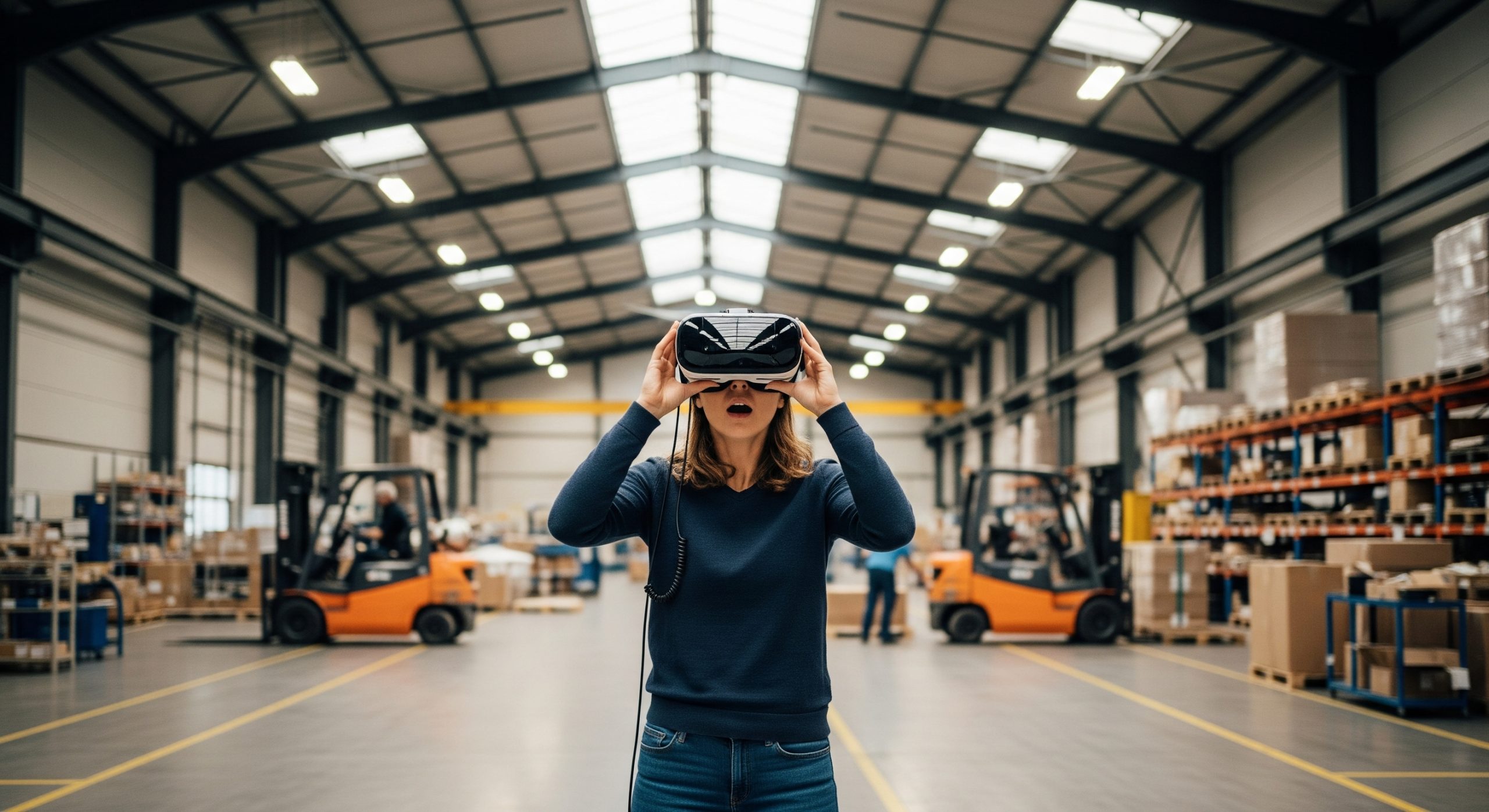
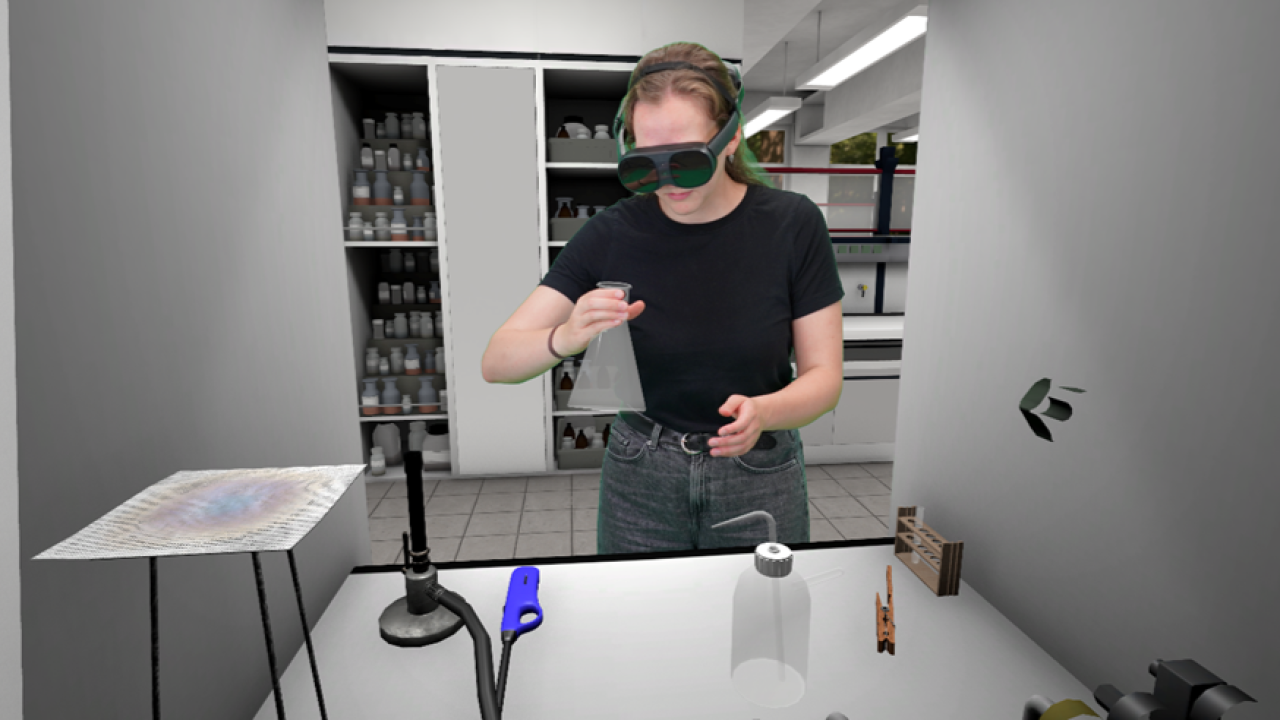
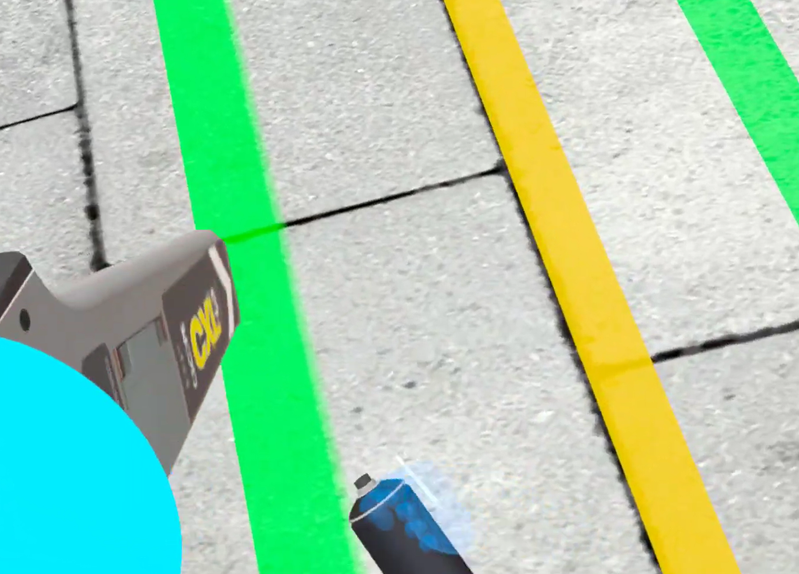
VR training uses 3D-rendered environments that replicate your actual work sites, equipment, and procedures. Trainees put on a VR headset and step into a virtual version of their platform, refinery, or pipeline facility. They interact with equipment using handheld controllers, follow standard operating procedures, and respond to simulated incidents in real time.
Building the Virtual Environment
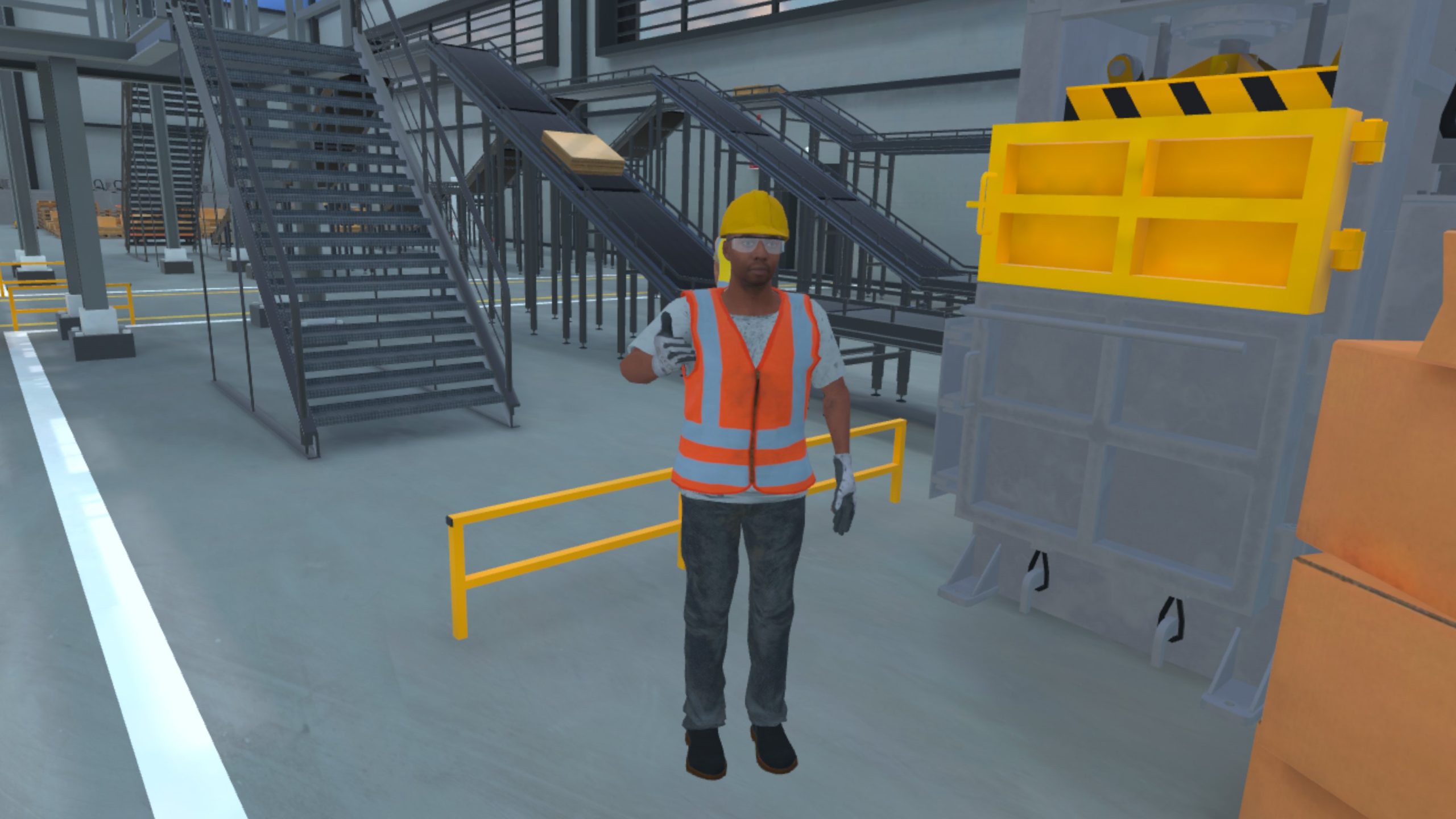
Every VR training module starts with your operational reality. VR Owl works with your safety team and subject matter experts to map the specific hazards, equipment, and procedures relevant to your operations. Using 3D modeling and digital twin technology, we recreate your work environment down to the control panels, valve configurations, and safety signage your crews use every day.

Scenario-Based Learning
Once the environment is built, we layer in training scenarios. A confined space entry. An unexpected pressure spike during maintenance. A fire in the pump room. Each scenario follows your company's SOPs and forces trainees to apply the correct response under realistic conditions. They see the consequences of both correct and incorrect decisions immediately.
Performance Tracking
Every action a trainee takes is logged. Response times, procedural accuracy, decision sequences. The data feeds directly into your VR simulation platform or existing LMS, giving safety managers a clear picture of individual and team competency. No more relying on written assessments that test memory rather than capability.
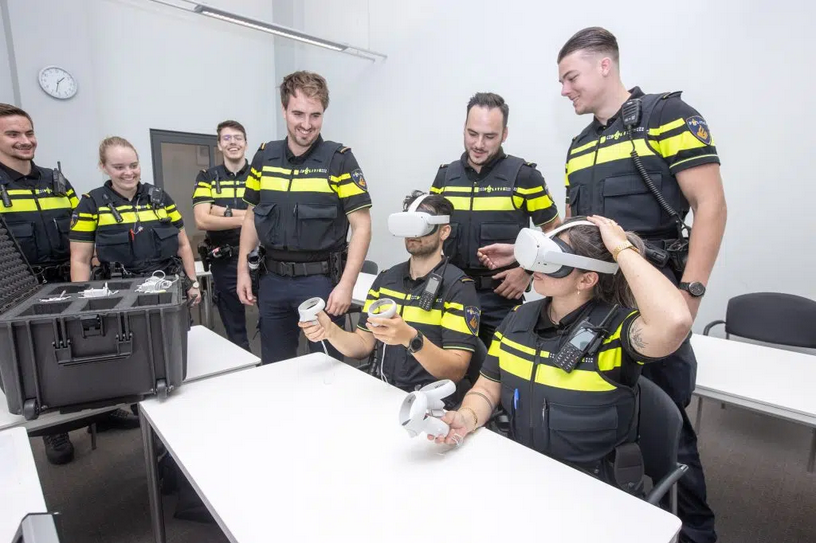
VR headsets like the Meta Quest run these simulations as standalone devices. No dedicated training rooms or PC setups required. Your crews can train on-site, between shifts, or at any location with the same consistent experience.
Key Benefits of VR Training for Oil and Gas
VR training reduces safety incidents, cuts training costs, and improves knowledge retention across your workforce. Here is what the research shows.
Improved Safety and Risk Reduction
Workers who train in VR practice high-risk procedures repeatedly without exposure to actual danger. They build procedural muscle memory for scenarios like gas leaks, equipment malfunctions, and emergency evacuations. Research from the National Safety Council shows a 32% reduction in workplace accidents at organizations using simulation-based training. In an industry where a single incident can cost lives and millions in damages, that reduction matters.
Higher Knowledge Retention
A 2022 PwC study found that VR learners were 275% more confident applying skills after training compared to classroom participants. They also completed training four times faster. In oil and gas, where procedures must be followed precisely under pressure, the difference between remembering a protocol and actually having practiced it determines outcomes.

Cost and Time Savings
Traditional safety training requires travel to centralized facilities, equipment rental, instructor fees, and days of lost production time. VR compresses that. Forrester research documents an 80% reduction in training consumables and 75% reduction in training time for organizations adopting VR. Your teams train on-site using standalone headsets. No travel. No scheduling bottlenecks across multiple facilities.
Scalability Across Sites
A single VR module deploys identically across every platform, refinery, and field office in your operation. Every worker gets the same training quality regardless of location. Updates to procedures or regulations push to all devices simultaneously.
Measurable Results
Every training session generates performance data: response times, procedural compliance, decision accuracy. Your VR safety training solutions feed this data into your LMS, replacing subjective assessments with quantifiable competency metrics.
VR vs. Traditional Training Methods
| Criteria | Traditional Training | VR Training |
| Risk during training | Exposure to real hazards or no practical component | Zero risk, full procedural practice |
| Knowledge retention | 20% after 1 week (lecture-based) | 75% after 1 week (experiential) |
| Training time | 2-5 days per module (travel + classroom) | 15-45 minutes per module |
| Cost per learner | High (travel, facilities, equipment, instructors) | Decreasing with scale (fixed module cost, reusable) |
| Consistency | Varies by instructor and location | Identical experience every time |
| Measurability | Written tests, subjective observation | Automated performance tracking per trainee |
Classroom sessions build foundational knowledge. E-learning platforms deliver theory at scale. Neither gives workers the hands-on repetition that high-risk operations demand.
VR fills that gap. Trainees physically perform procedures, not just read about them. They experience the stress of time pressure, the disorientation of reduced visibility, the consequence of a wrong decision. That experiential component is what drives the retention difference.
The comparison is not about replacing all traditional training. Classroom instruction still serves its purpose for regulatory overviews and policy updates. VR targets the procedural, scenario-based training where practice under realistic conditions produces measurably better outcomes.
VR Training Use Cases in Oil and Gas
Emergency Response
Fire, gas release, blowout, or process upset. Your crew has seconds to execute the correct response. VR training puts them inside these scenarios repeatedly until the response becomes automatic. Trainees practice activating emergency shutdown systems, coordinating evacuation routes, and communicating with control rooms under realistic pressure. No live drill can safely replicate a wellhead blowout. VR can.

Confined Space Entry
Tanks, vessels, and below-deck compartments on rigs and refineries are among the most dangerous work environments in the industry. Workers must follow strict atmospheric monitoring, entry permits, and rescue procedures. VR Owl's working at heights training and confined space modules replicate these conditions, letting crews practice entry protocols, gas detection procedures, and emergency extraction without the real risk.
Fire Safety and Suppression
Refinery fires and platform fires require specific suppression techniques depending on the fuel source and location. Our fire safety training module covers fire identification, extinguisher selection, and evacuation coordination in realistic virtual environments. Trainees learn to assess fire class, select the correct response, and execute suppression procedures.
Lockout-Tagout (LOTOTO)
Maintenance on pressurized systems, electrical panels, and hydraulic equipment requires strict energy isolation procedures. Errors during lockout-tagout cause hundreds of injuries annually. VR training lets workers practice the full LOTOTO sequence, from identifying energy sources to verifying zero-energy state, on virtual equipment that mirrors your actual installations. See our lockout-tagout training modules.

Equipment Operation and Maintenance
Drilling equipment, pump systems, heat exchangers, and pressure vessels require hands-on familiarity that operator manuals cannot provide. VR simulations let maintenance crews practice disassembly, inspection, and reassembly sequences on virtual equipment before touching the real thing.
Onboarding for New Hires
New workers can tour their assigned facility, locate safety equipment, and walk through basic procedures in VR before their first day on-site. This cuts onboarding time and gives new hires baseline familiarity with their work environment from day one.
Meeting OSHA and Industry Compliance Standards
Oil and gas operations in the United States fall under OSHA's General Industry standards (29 CFR 1910) and Construction standards (29 CFR 1926). Several of these standards carry explicit training requirements that VR directly addresses.
OSHA 1910.146 requires documented training for confined space entry, including recognition of hazards and proper entry procedures. OSHA 1910.119 (Process Safety Management) mandates that employees involved in operating processes with highly hazardous chemicals receive initial and refresher training on procedures and safe practices. OSHA 1910.1200 (Hazard Communication) requires training on chemical hazards present in the workplace.
VR training meets these requirements with a documentation advantage. Every training session is logged automatically: who completed it, when, which scenarios, what their performance scores were. This data integrates with your learning management system and creates an auditable compliance record that satisfies regulatory inspections.
Beyond OSHA, API (American Petroleum Institute) recommended practices and IOGP Life-Saving Rules set industry-specific safety expectations. VR modules can be configured to follow these frameworks exactly, ensuring your training aligns with both regulatory requirements and industry best practices.
The compliance gap in traditional training is not in content but in verification. OSHA requires that employees demonstrate competency, not just attendance. VR performance data provides that demonstration in a way that sign-in sheets and written quizzes cannot.
The ROI of VR Training in Oil and Gas
The business case for VR training strengthens as your workforce grows. Traditional training carries variable costs that scale linearly: every additional trainee means more travel, more instructor time, more equipment access, more production downtime. VR carries fixed development costs and near-zero marginal costs per additional learner.
Forrester research found organizations adopting VR training achieved an 80% reduction in training consumables and 75% reduction in total training time. For a mid-size oil and gas operator running safety certification programs across five facilities, that translates to measurable savings in the first year.
Consider the full cost picture. A single confined space certification program using traditional methods involves: instructor travel and fees, facility scheduling, equipment setup, and 2-3 days of crew downtime per cohort. The same program in VR runs in 45 minutes per trainee on a standalone headset. Multiply that across 200 workers at multiple sites, and the difference compounds.
Beyond direct training costs, VR reduces the indirect costs that rarely appear in training budgets. Faster onboarding means new hires reach full productivity sooner. Fewer safety incidents mean lower insurance premiums, fewer OSHA citations, and less unplanned downtime. PwC data shows VR-trained employees complete tasks 4x faster than classroom-trained counterparts during their initial deployment.
The break-even point depends on your workforce size and training frequency, but most organizations see cost parity with e-learning at around 2,000 learners per year. Above that threshold, VR becomes the most cost-effective modality available.
How to Implement VR Training in Your Organization
Getting started with VR training does not require overhauling your existing training infrastructure. VR Owl follows a structured implementation process that integrates with your current systems and scales at your pace.
Step 1: Needs Assessment
We start with your training priorities. Which scenarios carry the highest risk? Where are your current training gaps? Which certifications are due for renewal? Your safety team and our project leads identify the modules that deliver the most immediate value.
Step 2: Environment and Scenario Development
Our 3D team builds your training environment based on your actual facilities, equipment, and procedures. We work with your subject matter experts to ensure every scenario follows your SOPs exactly. Development timelines vary by complexity, but standard modules are ready for deployment within weeks.
Step 3: Integration and Deployment
VR modules integrate with your existing LMS through standard protocols. Training assignments, completion records, and performance data flow into the same systems your team already uses. Hardware deployment is straightforward: standalone VR headsets ship directly to your sites.
Step 4: Rollout and Iteration
Start with a pilot group at one facility. Gather feedback, refine scenarios if needed, then expand across your operations. VR Owl provides ongoing support for module updates, new scenario development, and platform maintenance.
Our team has deployed VR training programs across energy sector training and offshore VR training operations throughout Europe and the Middle East. Every implementation follows the same proven process.
See how VR training works for your oil and gas operations. Book a demo with our team and explore our safety modules firsthand.
Reduce risk and improve training outcomes across your oil and gas operations. Talk to one of our experts about VR training modules built for your industry.