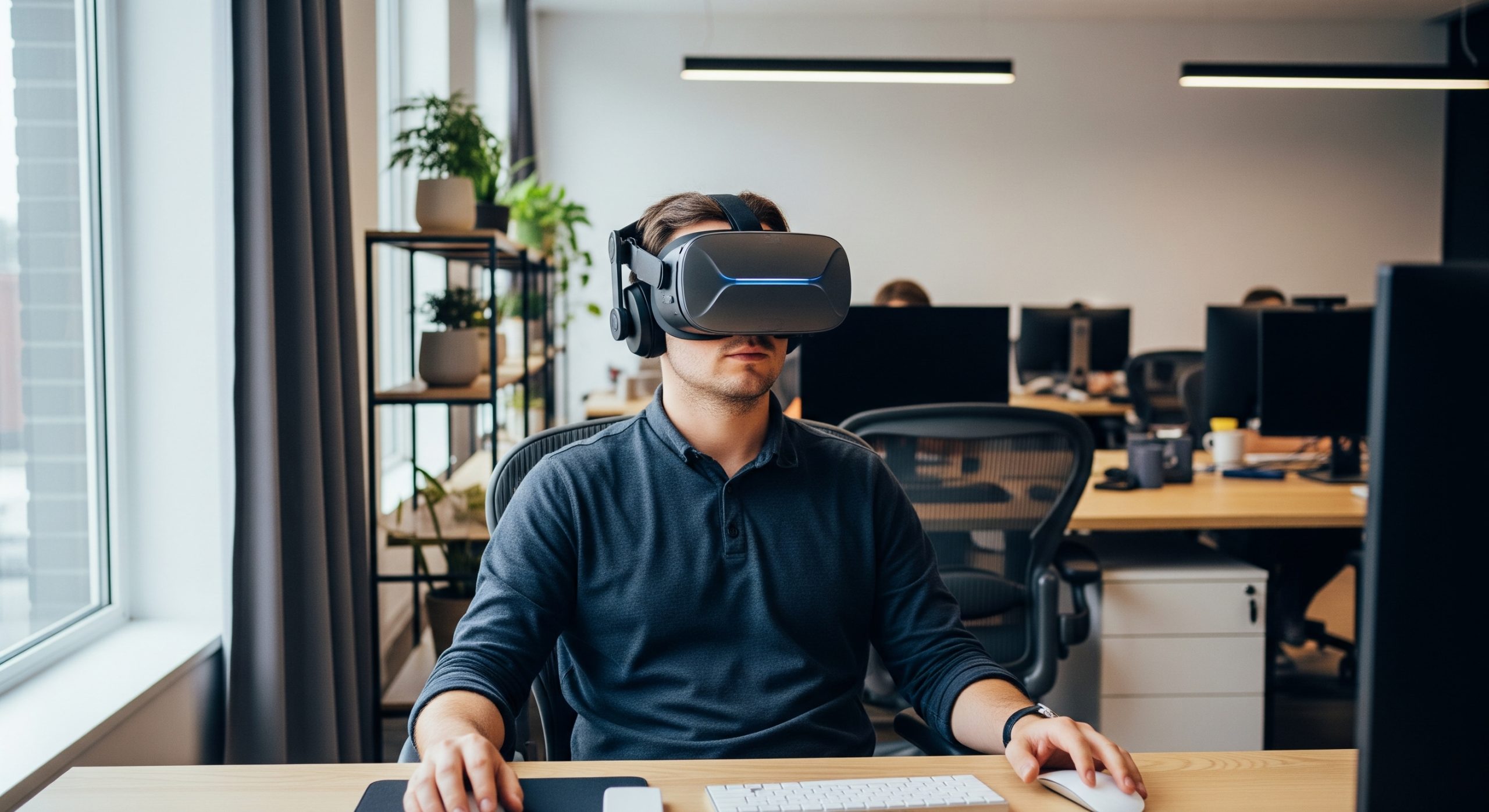
VR Explained: What Virtual Reality Is, How It Works, and What It’s For


Virtual reality (VR) is a computer-generated 3D environment you experience through a headset, as if you were really inside it. This guide explains what VR is, how it works, and where it is genuinely useful.
It is written in plain English for anyone new to the technology. No jargon, no hype - just a clear starting point before you look at specific uses like training.
What is virtual reality?
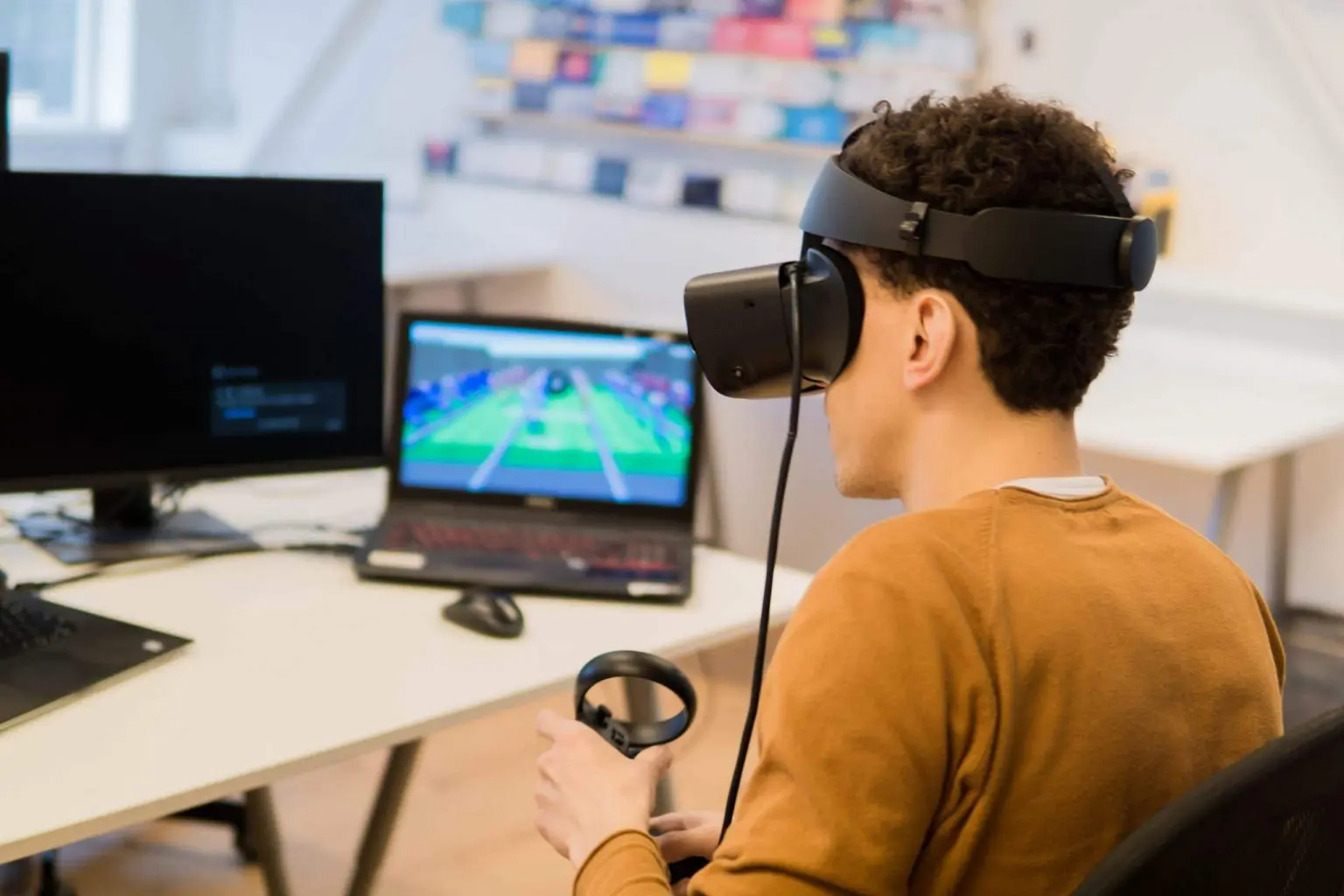
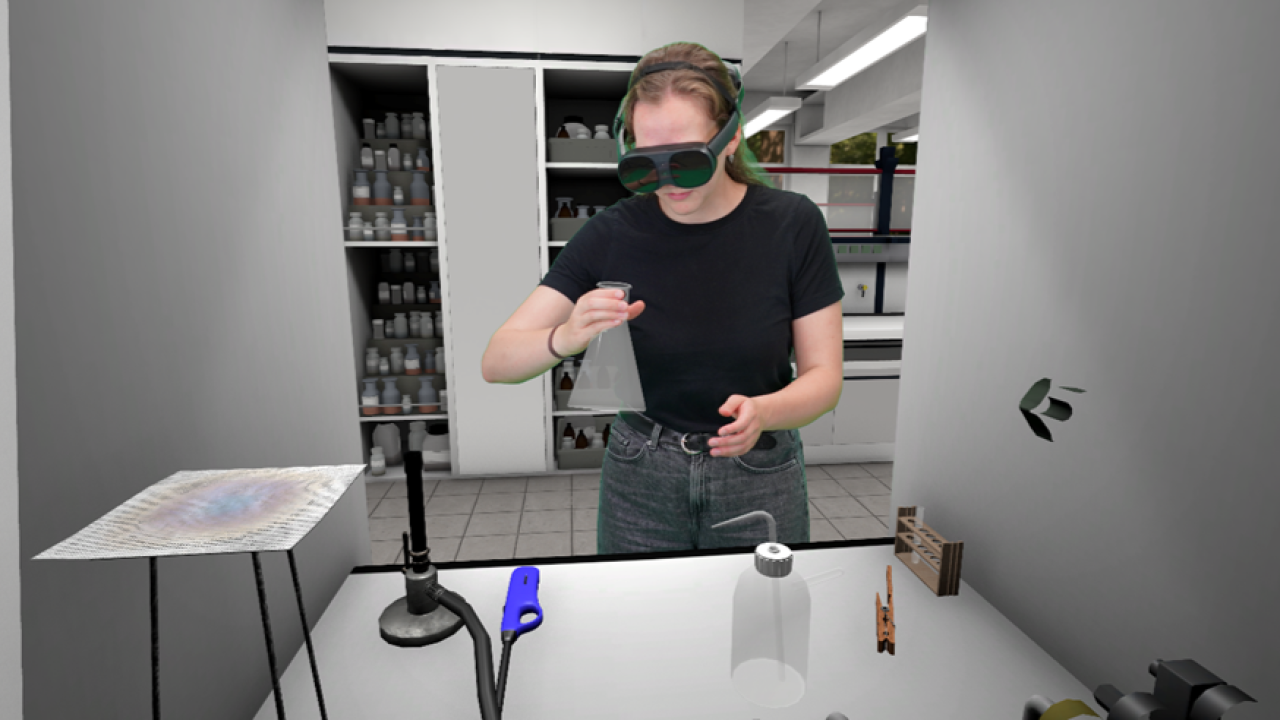
Virtual reality is a fully immersive, computer-generated 3D environment that you explore through a head-mounted display. The headset replaces what you see and hear, and the scene responds to your head and body movement in real time.
That responsiveness creates a sense of presence: the feeling of actually being somewhere else. Presence is what separates VR from watching a video on a flat screen.

How does VR work?
A VR headset tracks your movement and shows a slightly different image to each eye, which your brain reads as depth. A few core parts make that possible.
- The headset: two small displays create a stereoscopic 3D image, one view per eye.
- Motion tracking: on-board cameras track your position without external sensors, known as inside-out tracking.
- 6DoF: six degrees of freedom lets you lean, crouch, and walk, not just look around.
- Controllers and hands: you interact with hand controllers or, increasingly, your tracked bare hands.
- Standalone vs tethered: standalone headsets run everything on-board, while tethered ones connect to a PC for higher fidelity.
VR vs AR vs MR vs XR
These four terms get mixed up constantly. The simplest way to keep them straight is by how much of the real world you still see.
| Term | What it means | Real world? |
|---|---|---|
| VR | A fully computer-generated world that replaces your surroundings | Hidden |
| AR | Digital content layered on top of your real view | Primary |
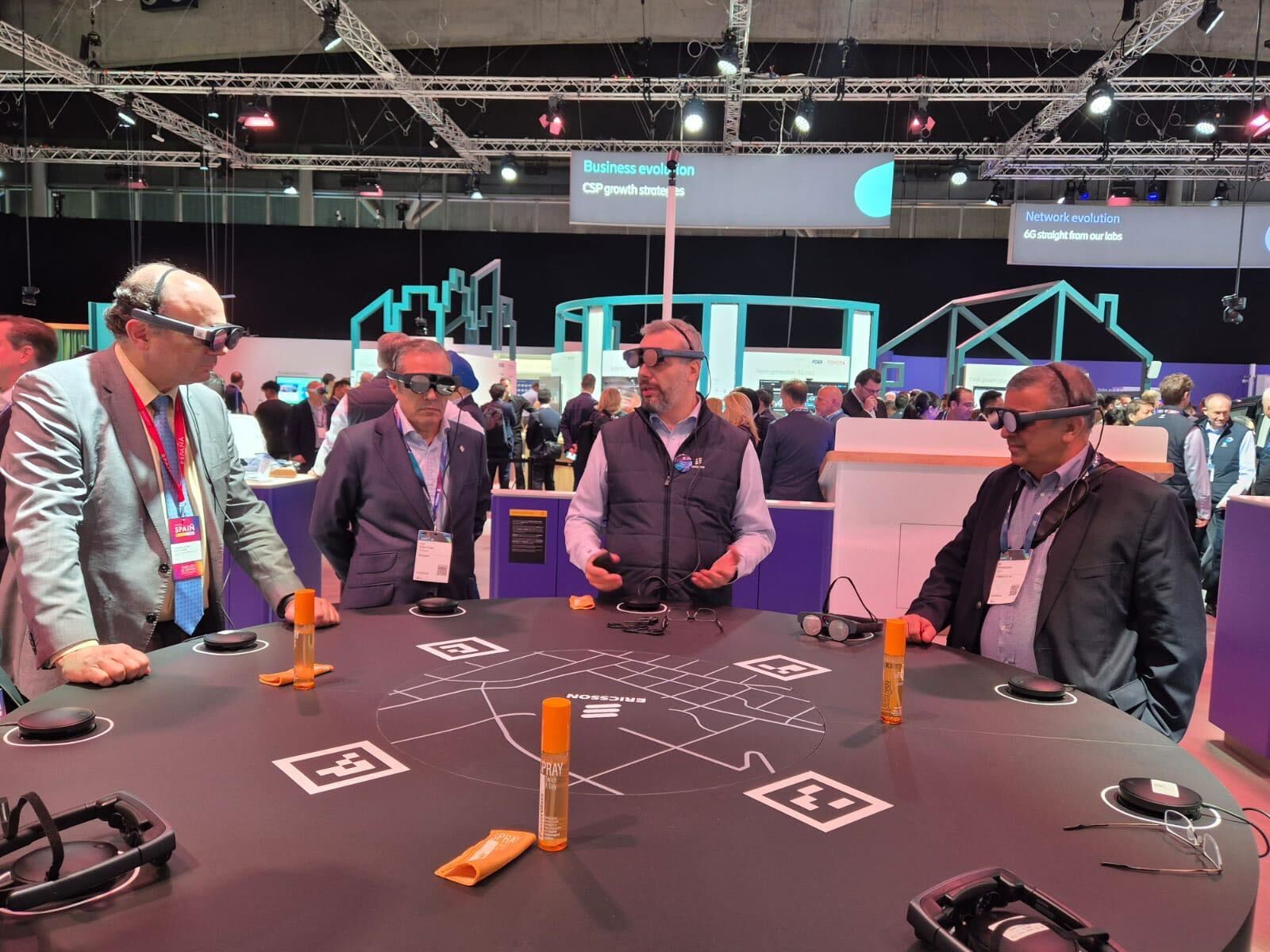
| MR | Digital and real objects that interact and are aware of each other | Blended |
| XR | An umbrella term covering VR, AR, and MR together | Varies |
Where virtual reality is used today
VR is no longer just gaming. It now solves real problems across industries, especially where practice, visualisation, or safety matter.
Training and simulation
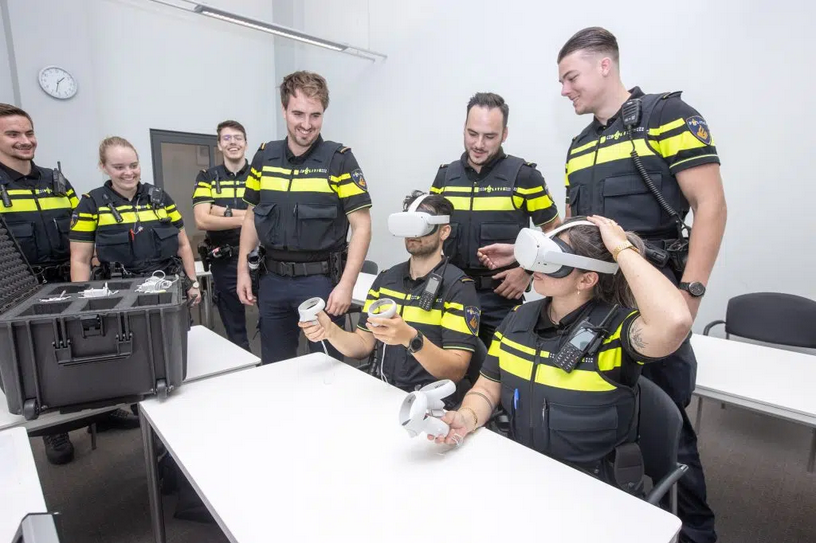
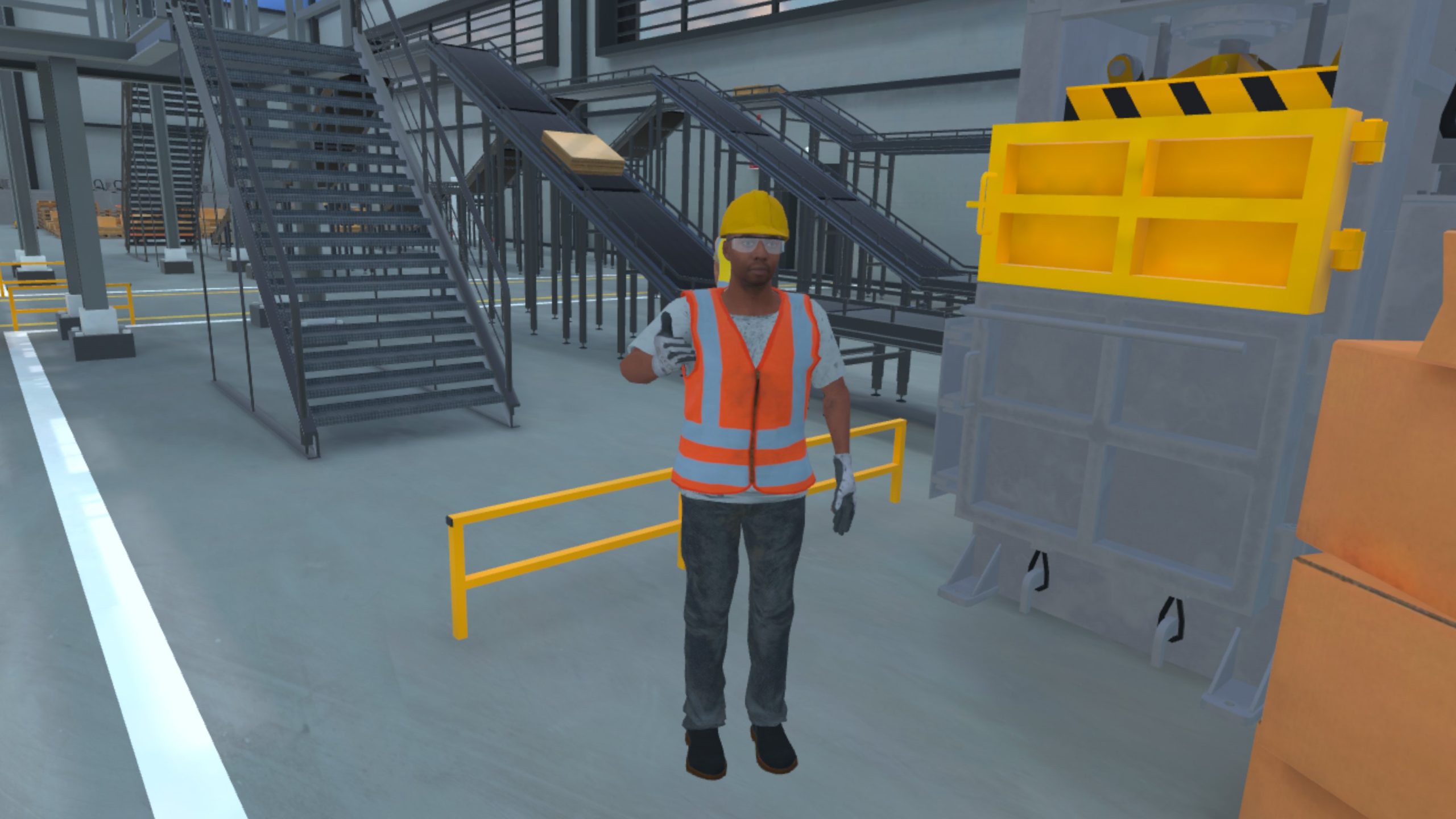
This is where VR earns its keep. Teams rehearse dangerous or complex tasks safely and repeatedly. It is the core of what we do at VR Owl, across manufacturing, energy, construction, and government.
Healthcare
Surgeons rehearse procedures, and clinicians use VR for phobia treatment, pain distraction, and rehabilitation. Repetition without risk to a patient is the shared theme.
Manufacturing and design
Engineers review full-scale products before anything is built. European carmakers, for example, use mixed reality in vehicle design to check fit and layout early.
Construction and energy
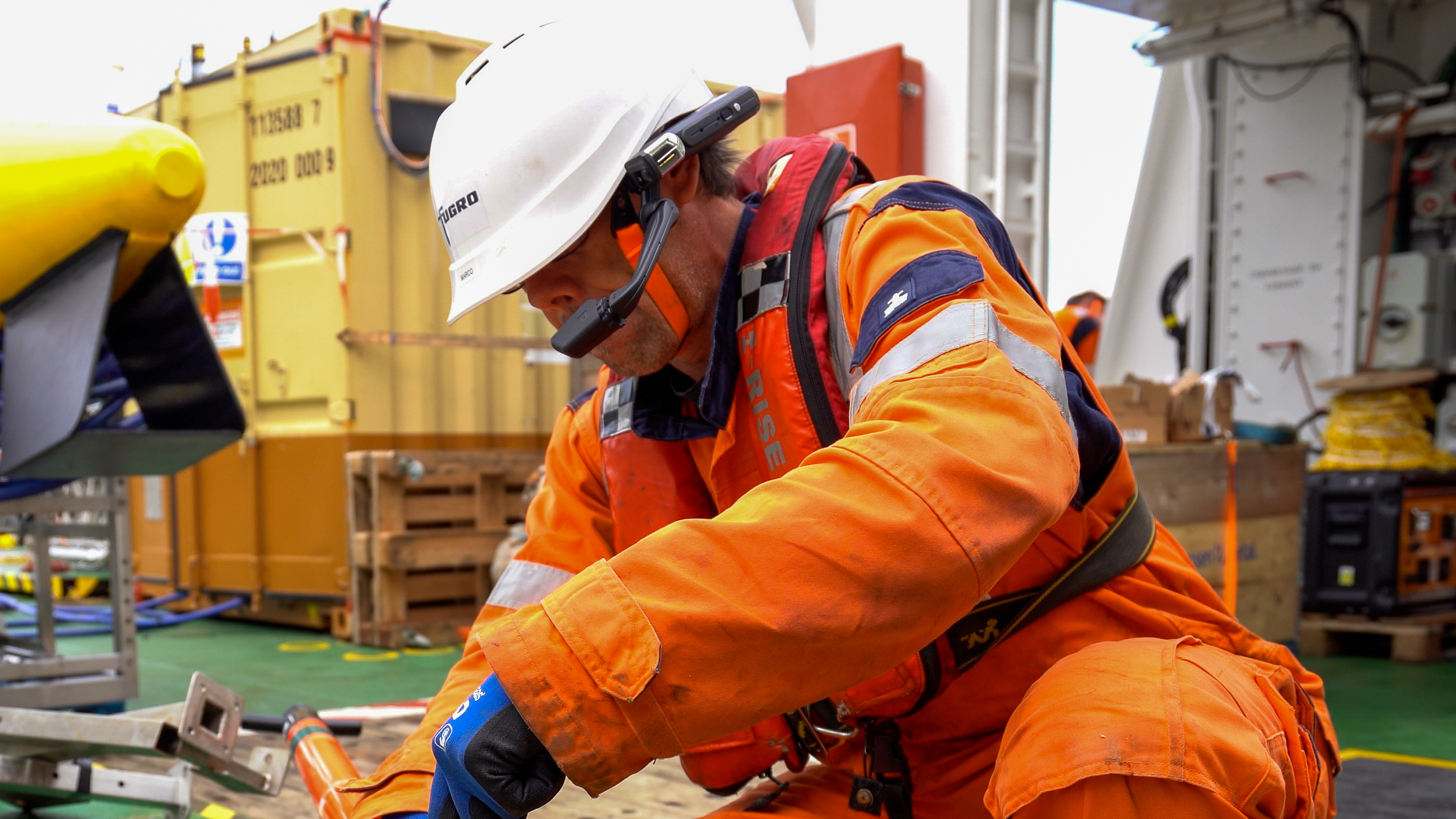
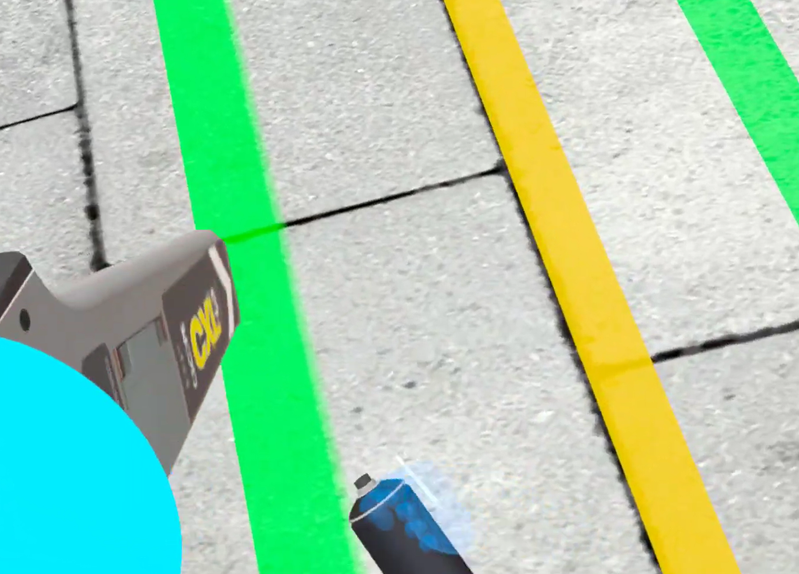
Crews walk through buildings and hazardous sites before work begins. High-risk procedures on rigs, grids, and platforms can be rehearsed with no exposure.
Education, retail, and entertainment
Universities and space agencies use VR for hands-on learning, retailers build virtual showrooms, and gaming remains the largest consumer market. The through-line is engagement.

Why VR works so well for training
People remember what they do far better than what they hear. VR turns passive learning into active practice, and the evidence is strong.
In a landmark enterprise study, PwC found that VR learners trained up to four times faster than in the classroom. They were up to 275% more confident applying what they learned, and four times more focused than e-learners.
The reason is presence. When training feels real, the brain treats it as real experience, so the lesson sticks and confidence transfers to the job.
What does VR cost?
Hardware is now the cheap part. A capable standalone headset costs a few hundred euros, and prices keep falling as the technology matures.
The real investment is the content. Off-the-shelf modules are inexpensive per user, while a bespoke simulation built around your equipment is a larger project. We break this down fully in our guide to custom VR training development.
Where to go next
If you are exploring VR for your organisation, the useful next step depends on what you need to solve.
- Build people skills: see VR leadership and soft skills training.
- Train high-risk trades: explore firefighter, welding, crane, or EMS training.
- Roll out across teams: read about VR corporate training and choosing a VR training partner.
Curious whether VR fits your team? Explore our VR training services or book a no-pressure demo.
Start with our overview of virtual reality training, or browse the ready-made training modules we can tailor to your needs.