
Training
Working at Heights

Virtual reality training for effective, cost effective and engaging employee training. Train independently of time and place with higher knowledge retention. Save time, reduce travel costs and lower environmental impact.



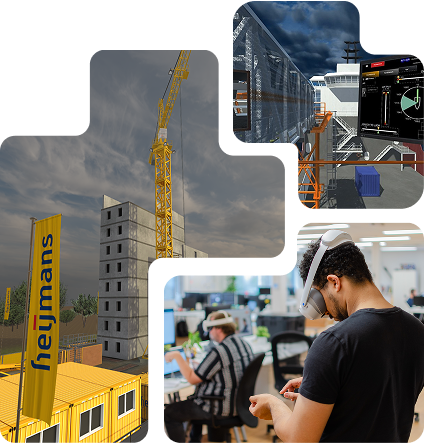
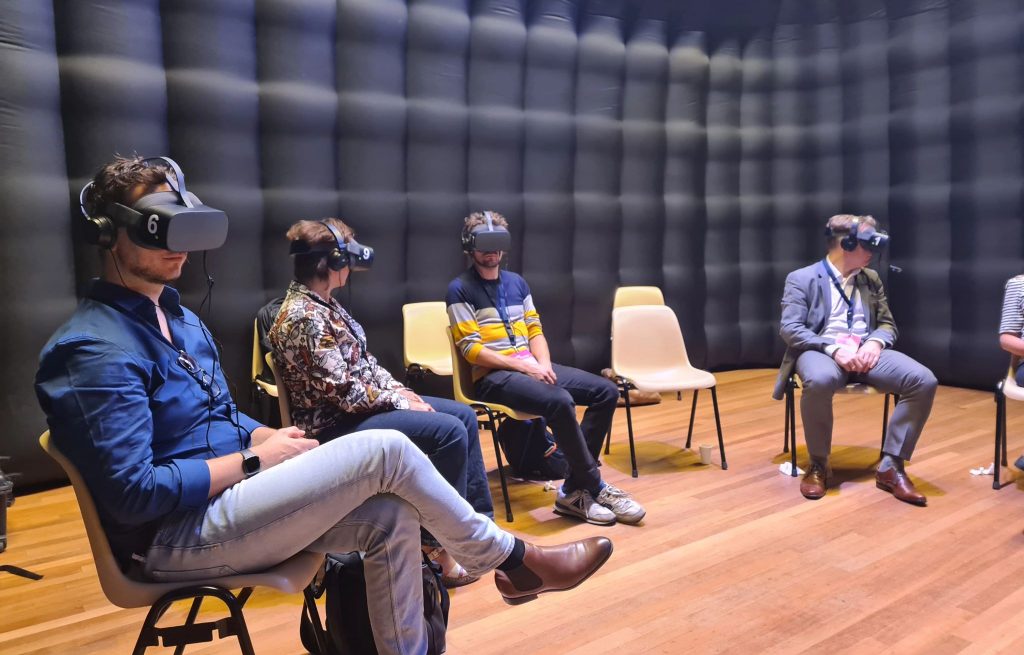
Many organizations replace traditional training with immersive VR training programs to improve learner engagement, decision making skills and real life performance in a safe virtual world.
Risk Free Environment
Virtual reality creates realistic virtual worlds where trainees use a VR headset and controllers to practice hands on training in real life scenarios without real-world risk. Learners get real time feedback and the freedom to fail in a safe environment.
Save Cost
Reduces training time, travel and instructor costs while enabling scalable virtual training across teams. VR training becomes up to 52% more cost effective when scaled to 3,000 learners.
Immersive & Engaging
Provides hands on, interactive and engaging experiences that significantly improve knowledge retention and confidence. Companies report measurable improvements in proficiency, decision making skills and employee performance.
Portable
Unlike traditional training methods that may require dedicated facilities, expensive equipment, or on-site instructors, VR training can be deployed anywhere with a headset and minimal hardware.
Need a module that does not exist yet? We also do custom VR development.

Safety Protocols
VR training simulates hazardous construction environments allowing employees to practice safety protocols in realistic virtual worlds, reducing lost time from injury by up to 43% in organizations that implement VR training.
Equipment Operation
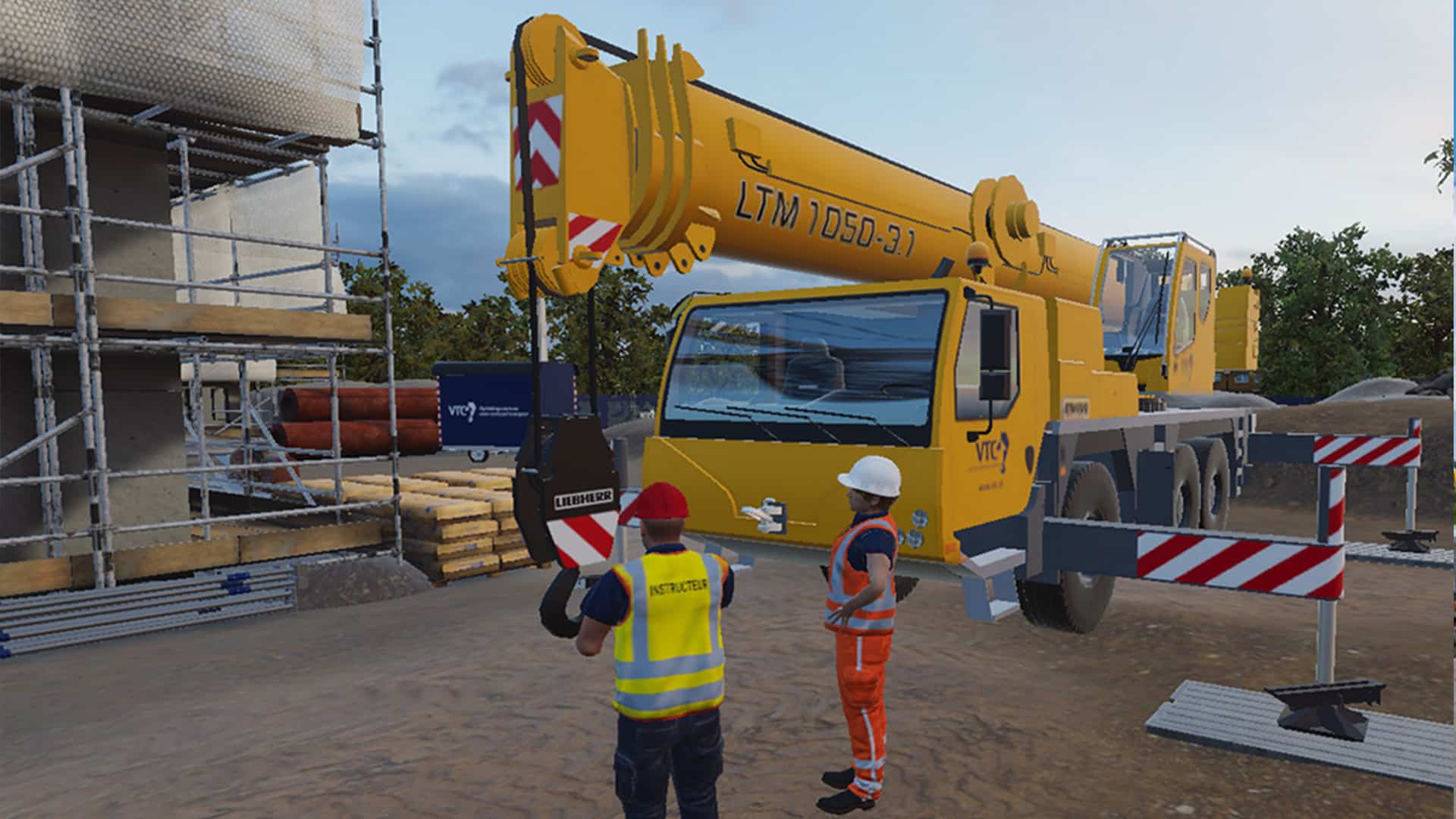
Trainees use a VR headset and controllers to virtually operate construction machinery, developing proficiency through hands on training without the risk or cost of traditional classroom training.
Hazard Recognition
Employees can be immersed in virtual scenarios where they identify potential hazards (e.g., unstable scaffolding, electrical hazards) and learn proper responses.
Machine Operation
VR training programs simulate manufacturing machinery, enabling employees to learn operation and troubleshooting skills with real time feedback, reducing training hours and improving knowledge retention.
Assembly Line Training
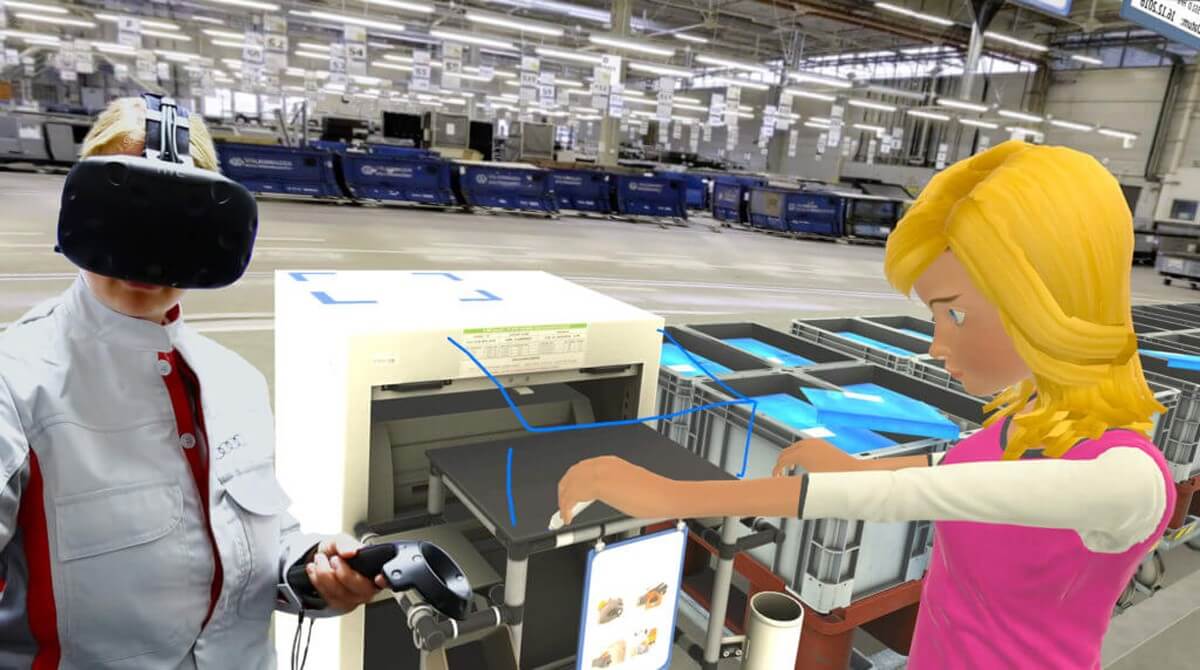
New employees can practice their tasks in a virtual assembly line, learning workflows, process efficiency, and quality standards before performing the tasks on the real line.
Emergency Response Drills
VR simulates critical manufacturing scenarios such as fire outbreaks or equipment malfunctions, strengthening decision making skills and improving confidence in high pressure real life situations.
Crisis Management
VR can simulate high-stakes government scenarios, like natural disasters or security threats, to train employees in crisis decision-making and effective response.
Public Service Simulations
Virtual role-playing scenarios help employees practice interacting with the public, resolving disputes, or explaining policies in various simulated situations.
Policy Training
New employees can navigate virtual simulations of government policies, laws, or procedural workflows, gaining a deeper understanding of their responsibilities and tasks.
Safety and Emergency Protocols
VR allows energy workers to train in simulations of hazardous situations (e.g., gas leaks, fires), preparing them to respond effectively without real-world risk.
Equipment Handling
Employees can practice operating and maintaining energy equipment like turbines or pipelines in a virtual setting, ensuring they’re prepared for on-site work.
Environmental Hazard Drills
VR training simulates environmental accidents (e.g., oil spills, chemical leaks), enabling workers to practice their responses and protocols in these critical situations.
Offshore Platform Safety
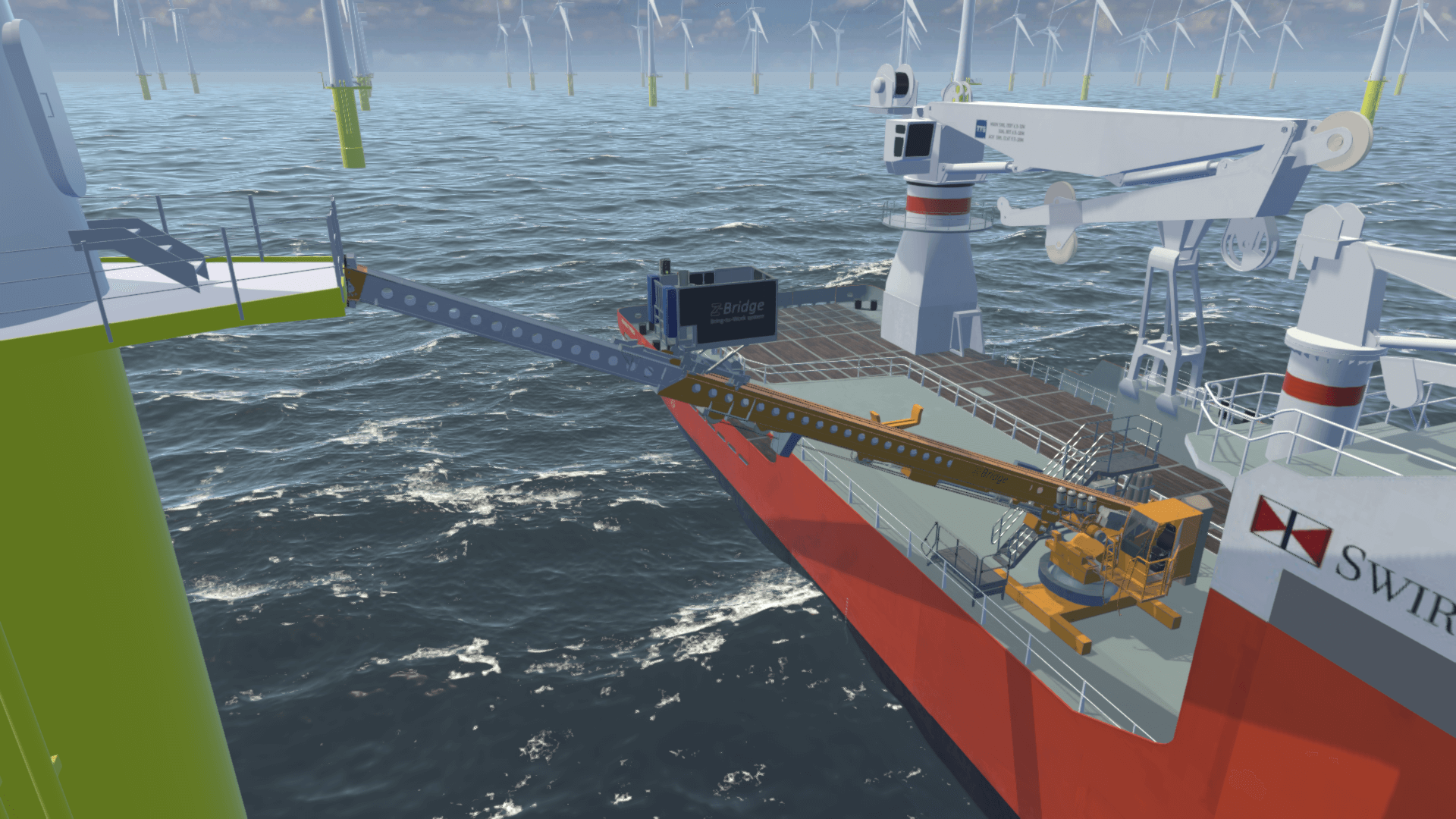
Workers can experience a virtual offshore platform, practicing evacuation routes and emergency procedures, including dealing with fires, spills, or accidents in a simulated, controlled environment.
Heavy Equipment Training
VR can simulate the operation of offshore machinery (like drilling rigs or cranes), allowing employees to get comfortable with these tools before working on-site.
Task Training
Offshore workers can practice essential tasks, such as maintenance or inspection of equipment, in a safe and controlled virtual environment, improving skills before fieldwork.




Training
Read this special report from Sprinter to comparing the effectiveness of fire extinguisher virtual reality and video training.
 Downloaden
Training
Read this special report from Capgemini about Augmented and Virtual Reality in Operations.
Downloaden
Training
Read this report from Accenture about emergence of immersive learning for the future workforce.
Downloaden


We have received your request and will get back to you shortly. Stay tuned!
Most VR training runs on standalone VR headsets using modern VR technology, without external computers or complex setup. A single device can be used at one location or shared across multiple workers in scheduled sessions.
Yes, provided the platform is built with enterprise level security standards. Many organizations use VR training for sensitive environments such as government, energy and manufacturing. Security, data protection and controlled access are critical parts of implementation.
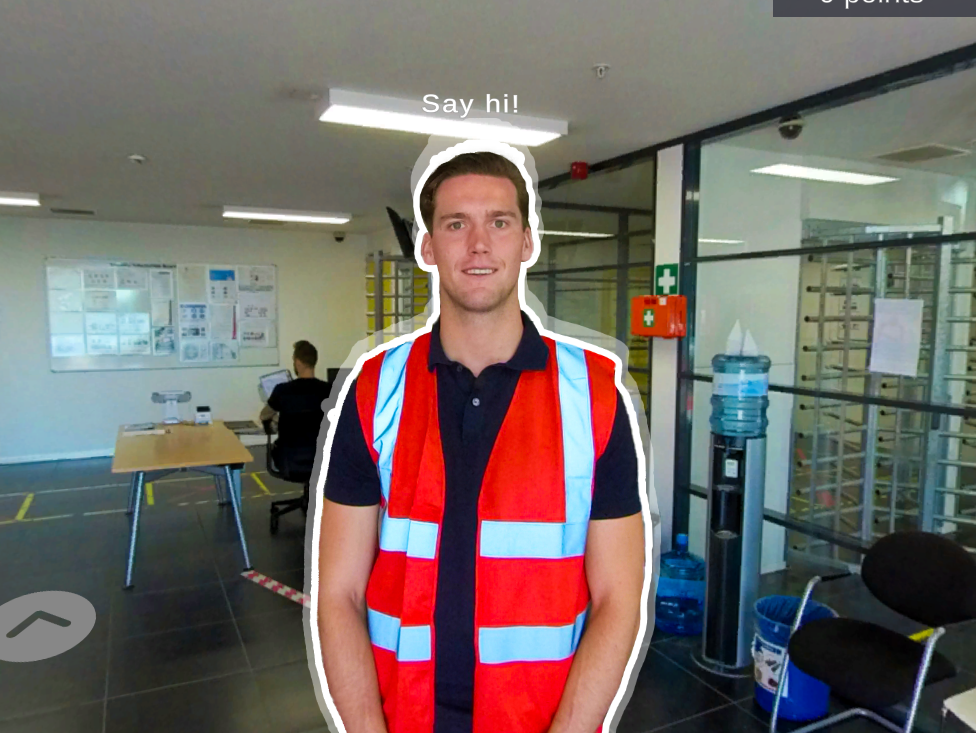
Yes. Virtual reality can simulate realistic workplace interactions, leadership situations and onboarding experiences. Many organizations use VR to teach company culture, communication skills and behavioral training, which can reduce turnover and accelerate onboarding time.
VR safety training covers high-risk scenarios such as electric shock, confined spaces, working at height, moving vehicles, hazardous objects and emergency response. Trainees can make mistakes safely while still experiencing realistic consequences inside the virtual environment.